What is Patina?
Understanding aging, originality, and why patina defines true character
by Mads – Last updated April 2026
Patina is the visible result of time, use, and natural aging.
It forms on materials that have been handled, exposed, and preserved over years or decades.
Faded paint, worn leather, yellowed dials, or sun-bleached surfaces are typical examples.
They are not added. They develop.
Where the Term Comes From
The word “patina” originates from Latin and originally referred to the surface of metal, especially the oxidation layer on copper and bronze.
Over time, the meaning expanded. Today, it describes the natural aging of materials across a wide range of objects—cars, watches, furniture, instruments, and more.
How Patina Forms
Patina develops through:
- Regular use
- Exposure to light and air
- Time
It cannot be rushed or reproduced authentically.
Every mark, fade, and surface change is the result of a specific history.
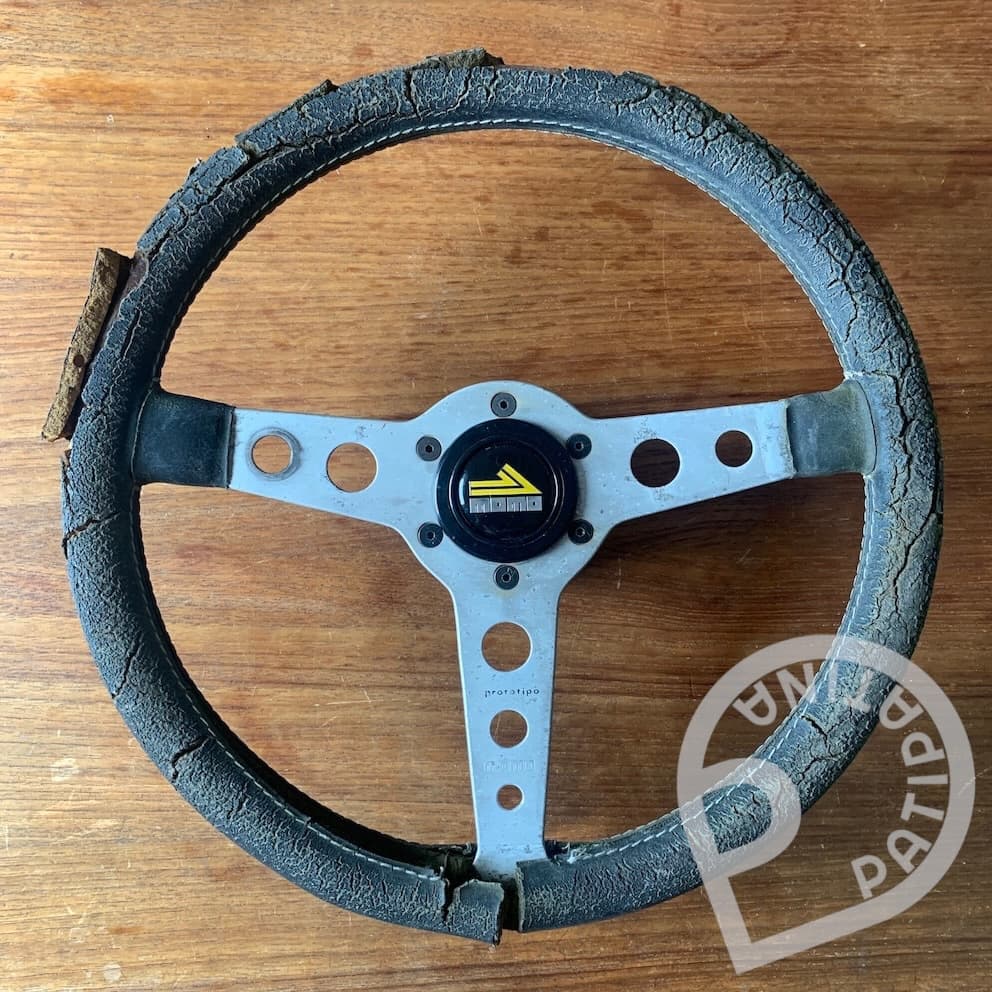
Patina vs. Damage
Patina is often confused with damage. The difference is essential.
- Worn leather can be patina
- Faded paint can be patina
- Surface aging can be patina
But:
- Dirt is not patina
- Neglect is not patina
- Structural damage is not patina
Patina requires one key condition: original material.
Patina vs. Restoration
Restoration resets an object.
Patina preserves its timeline.
An original surface shows how something has lived.
A restored surface shows how it has been reworked.
In many cases, original items with patina are valued higher than restored ones, because they retain continuity.
Why Patina Matters
Patina connects past and present without interruption.
It reflects use, not replacement.
In environments shaped by constant renewal, patina represents durability and continuity.
It shows that an object was worth keeping.

Patina and Collecting
In collecting, patina is often a deciding factor.
Unrestored objects with original surfaces are valued for their authenticity.
At the same time, artificially created patina exists and requires careful evaluation.
The presence of patina alone is not enough—its origin matters.
Real-World Patina Examples
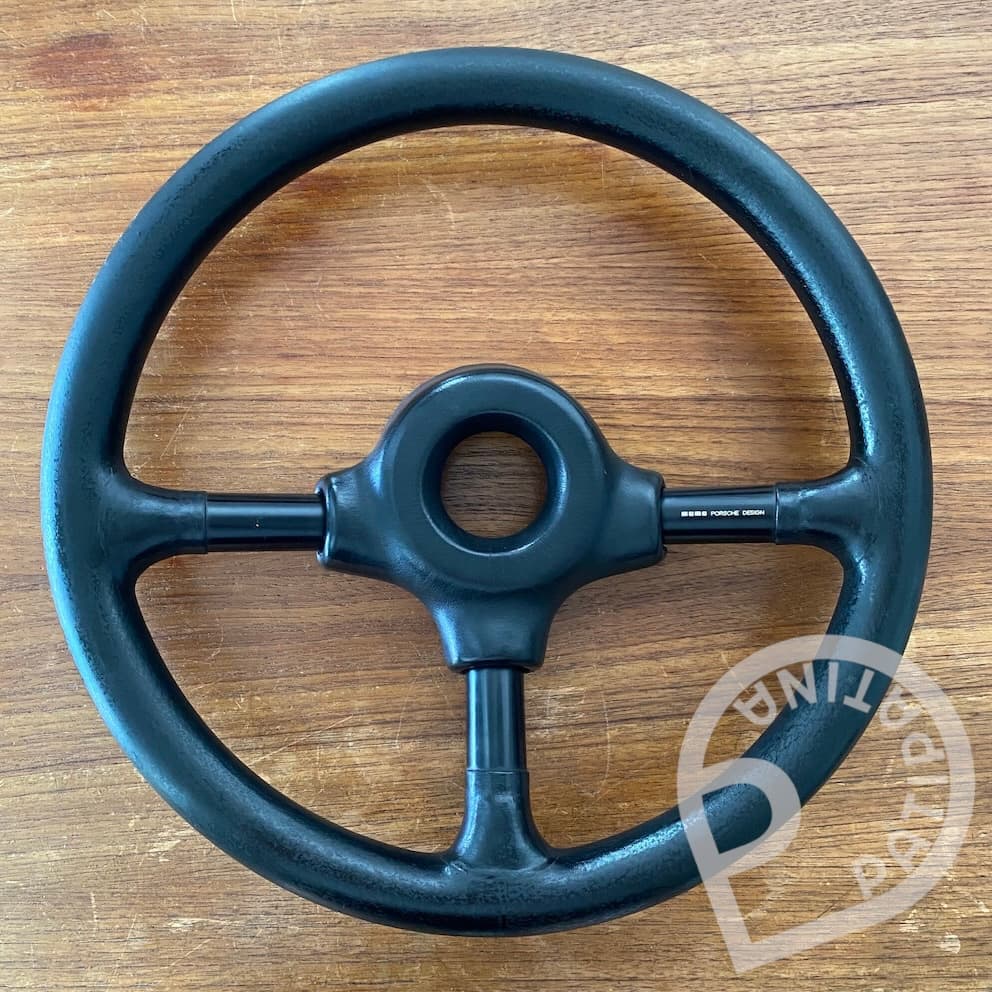
Sun-Faded Steering Wheel
A steering wheel exposed to sunlight over many years develops an uneven, lighter surface tone. The color fades gradually, often more on the upper sections, while the material itself remains intact.
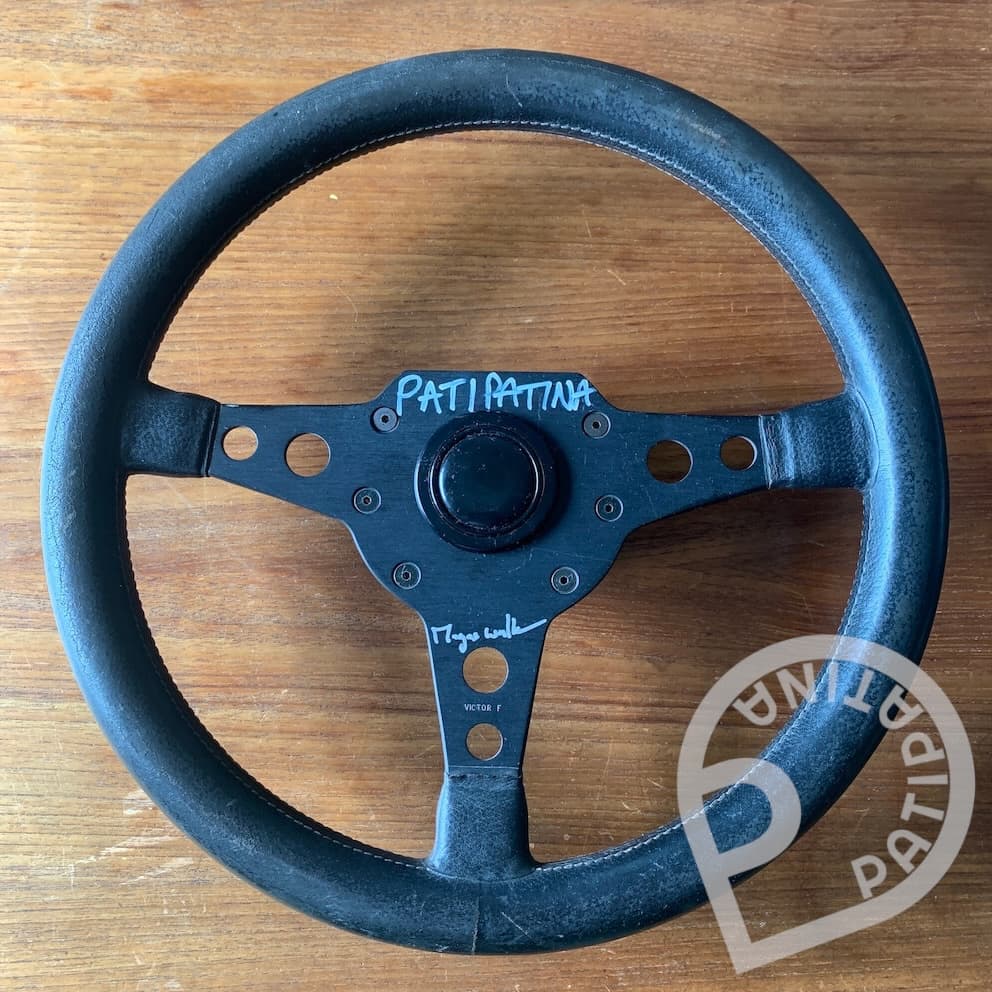
Worn Leather Rim
Frequent use creates smoother, darker areas along the grip zones. The surface shows consistent wear patterns where hands repeatedly made contact, without affecting the structure of the leather.
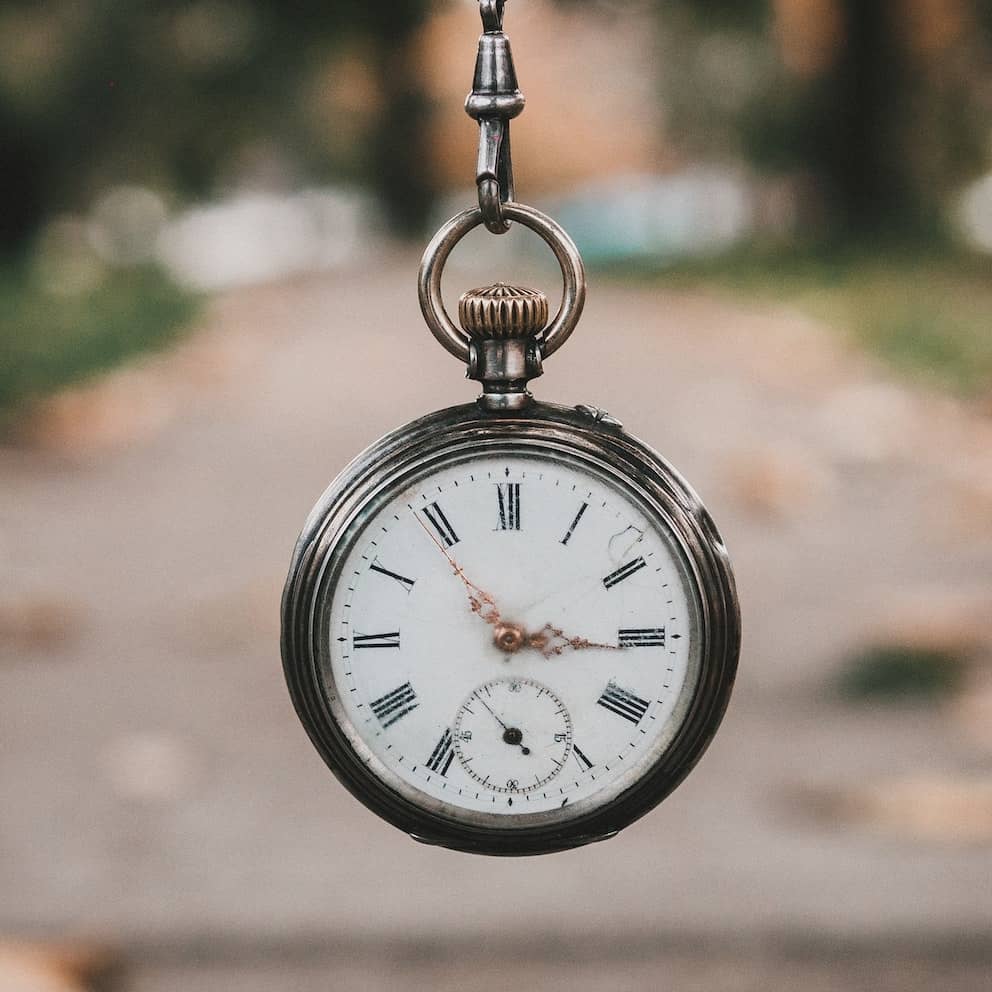
Aged Watch Dial
Dials can shift in color over time, often from white to cream or yellow. This change occurs evenly across the surface or in subtle gradients, depending on exposure and material composition.
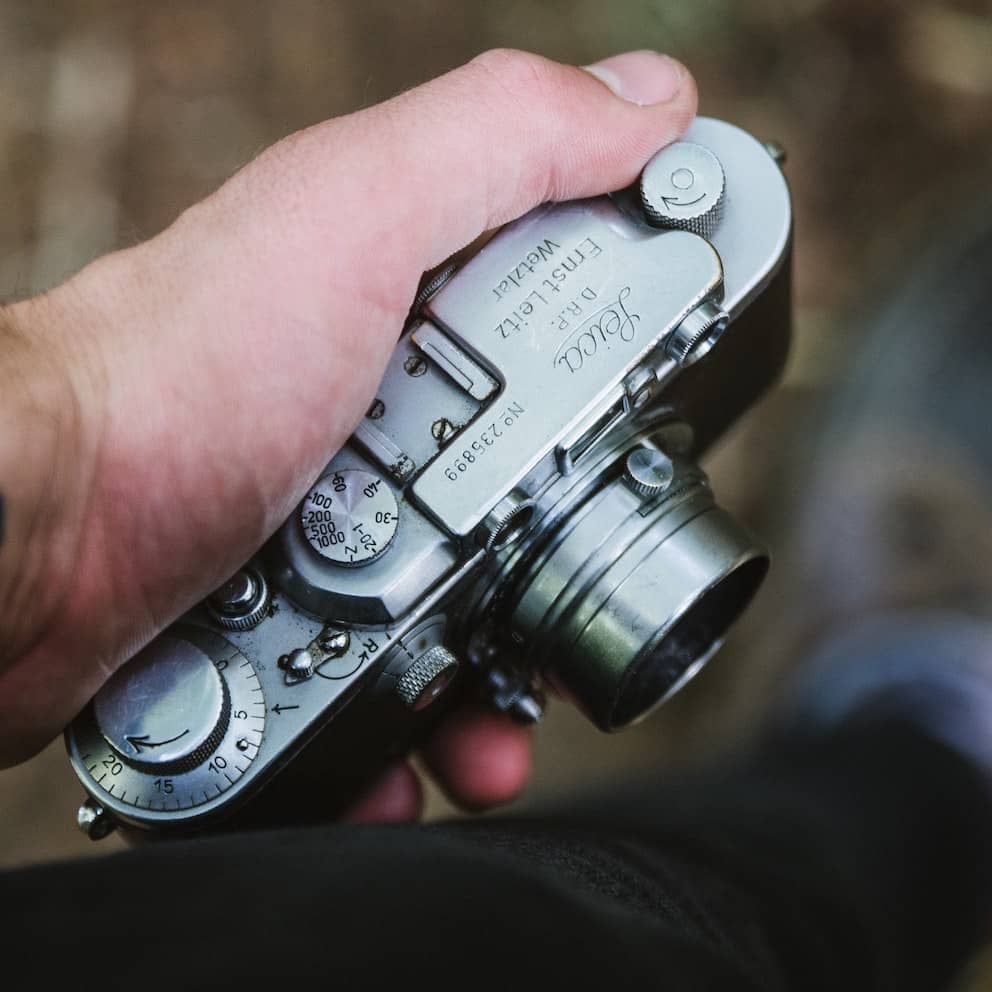
Vintage Camera Body
Edges and corners show visible wear from handling, while recessed areas remain darker and less affected. The contrast between exposed and protected surfaces reveals long-term use.
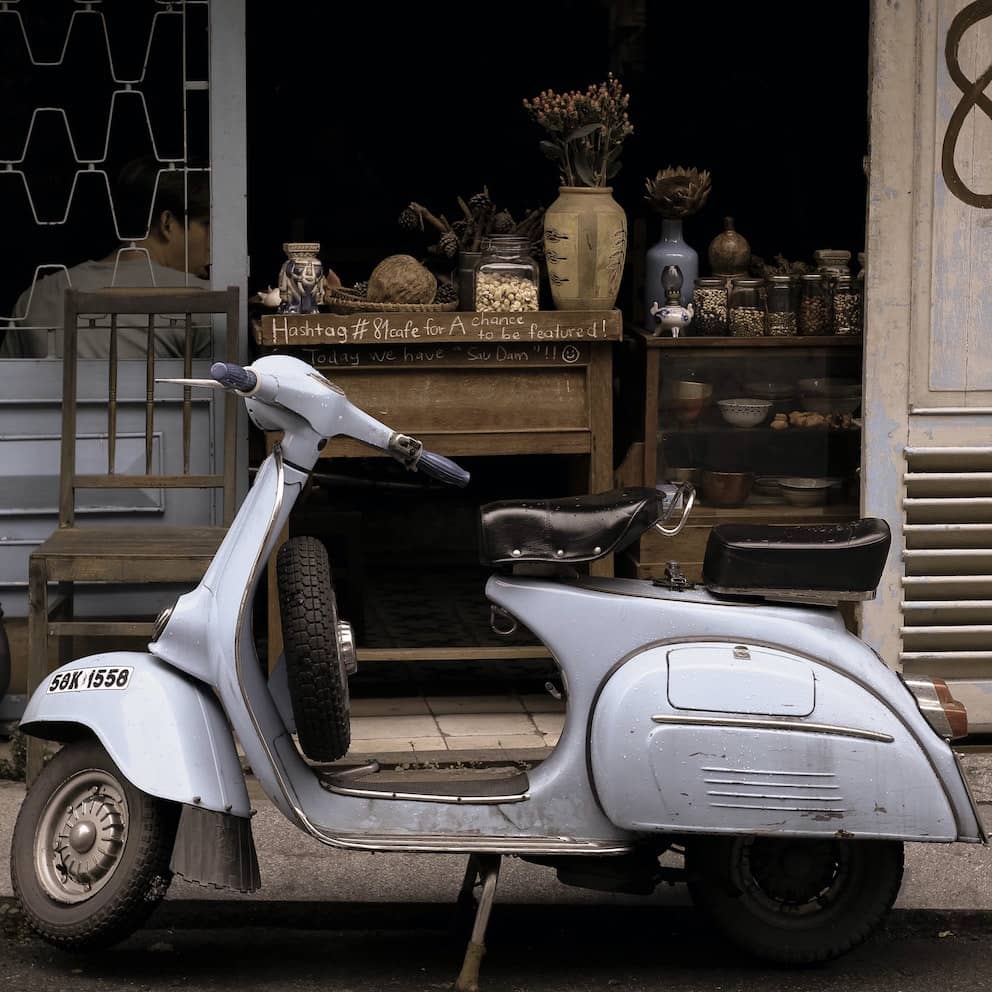
Faded Painted Surfaces
Paint exposed to light and environment loses saturation over time. The result is a softer, matte appearance, sometimes with slight variations across different areas of the same object.
Polished Contact Points
Areas that are touched regularly become smoother and slightly reflective compared to surrounding surfaces. This effect is common on metal, plastic, and coated materials.