Some things are repaired. Others are understood.
by Mads – Last updated April 2026
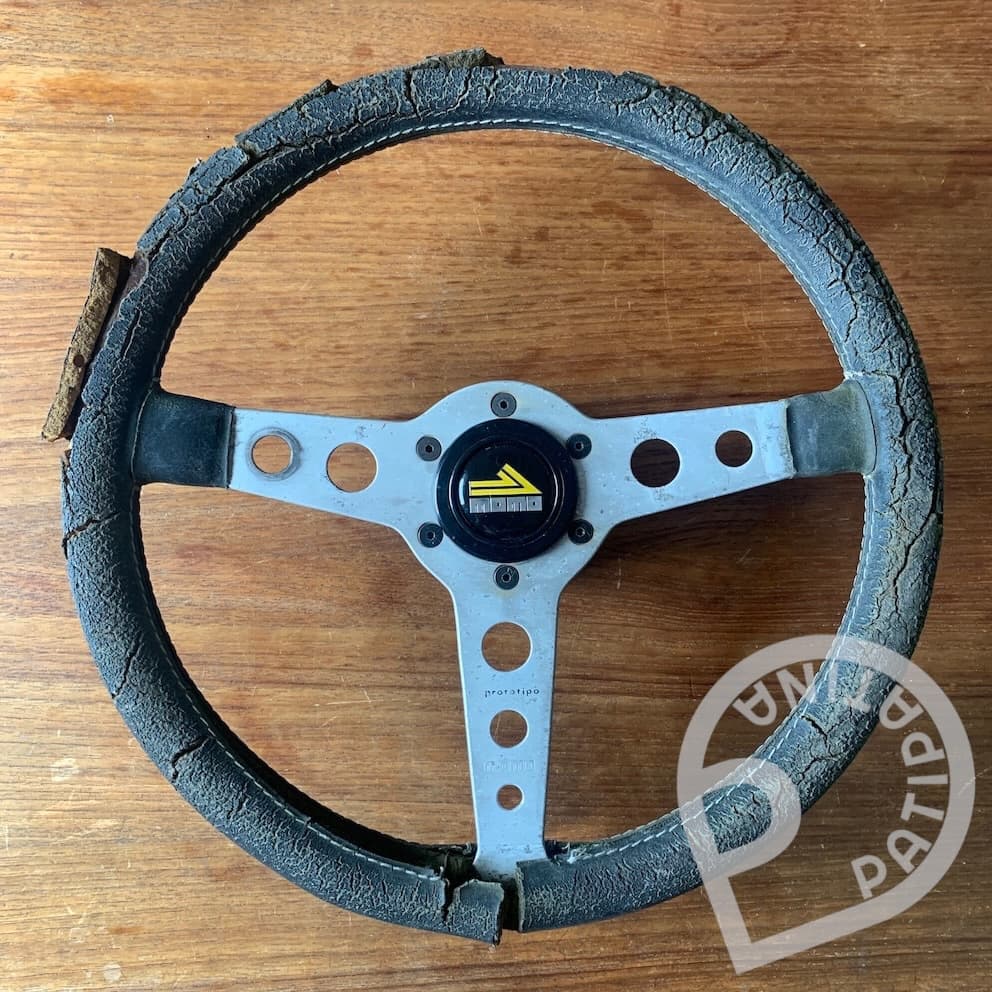
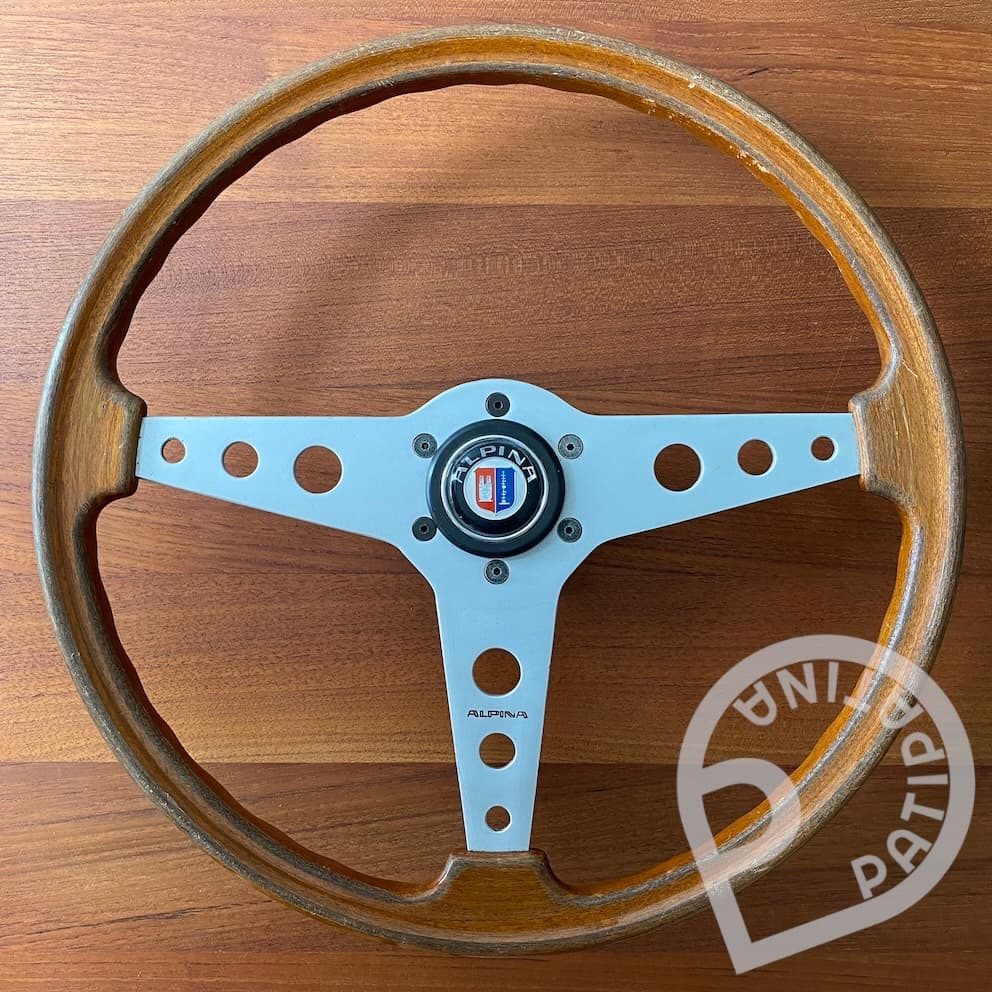
A wooden steering wheel is not just a part.
It’s something that has been held. For years. Sometimes decades. Sun, sweat, temperature, time — all of it leaves marks. Not damage. Just evidence.
At some point, though, it needs help.
Not replacement. Not refinement.
Restoration.
Some links may be affiliate links. I may earn a small commission at no extra cost to you.
I don’t restore wooden steering wheels.
And after seeing how it’s done, I’m glad I don’t.
The man who does it — let’s call him Peter — doesn’t have a website. No emails. No forms. You bring the wheel. You pick it up weeks later.
That’s it.
Whatever happens in between is not really explained. Not fully, at least.
And maybe that’s the point.
The first step sounds simple.
It isn’t.
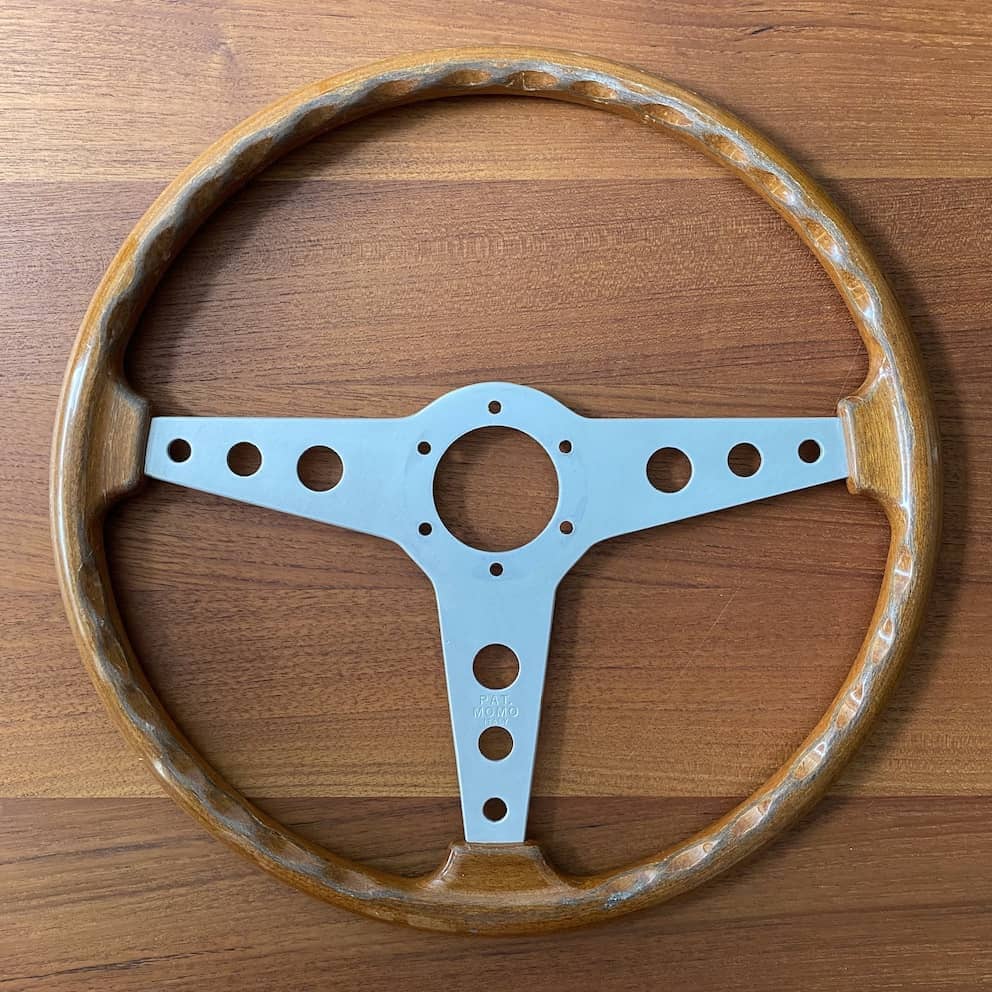
The old clear coat has to go. But not aggressively. Not chemically. Not mechanically.
No sanding.
No remover.
Because both would destroy what actually matters:
the shape, the edges, the subtle finger grooves on the back.
Instead — heat. Steam.
Controlled, patient, almost invisible.
He didn’t say much more.
Once the surface is stripped, reality shows up.
Cracks. Small fractures. Movement in the wood.
Nothing dramatic. But enough to matter.
This is where experience becomes visible.
Not in tools — but in restraint.
No shortcuts.
Because once you remove too much, you don’t restore.
You erase.
What comes next is difficult to describe.
Partly because I didn’t fully understand it.
Partly because it wasn’t meant to be explained in detail.
Different materials. Interacting layers. Surface tension between coats.
Each layer sanded. Adjusted. Built up slowly.
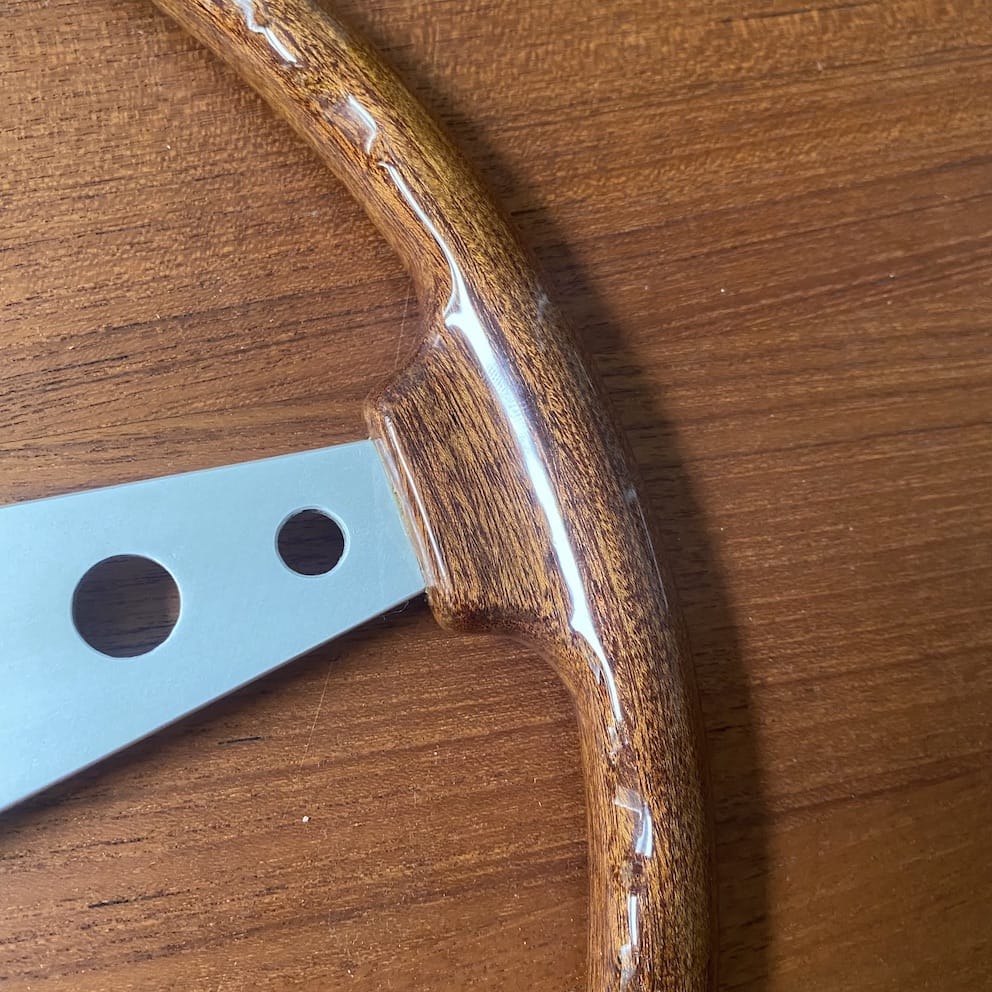
Only at the very end does something you would call “clear coat” appear.
But by then, it’s not just a coating.
It’s a system.
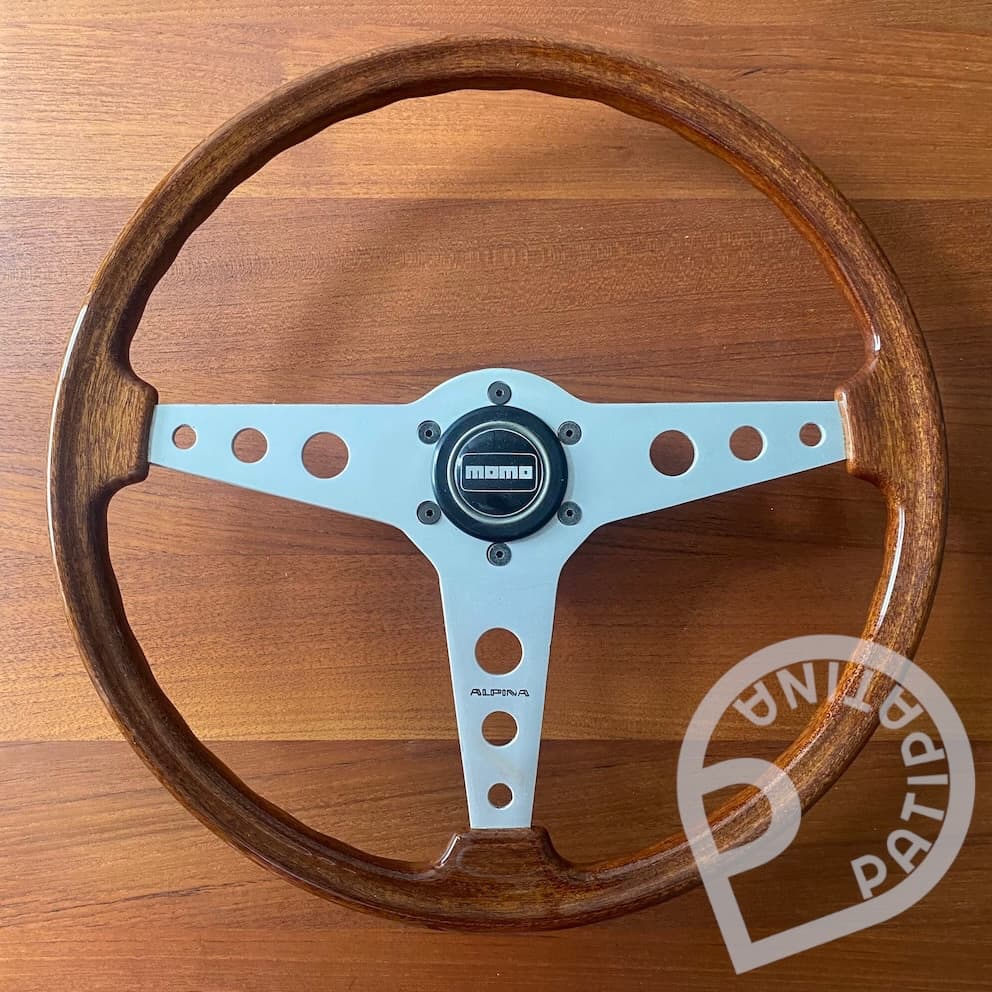
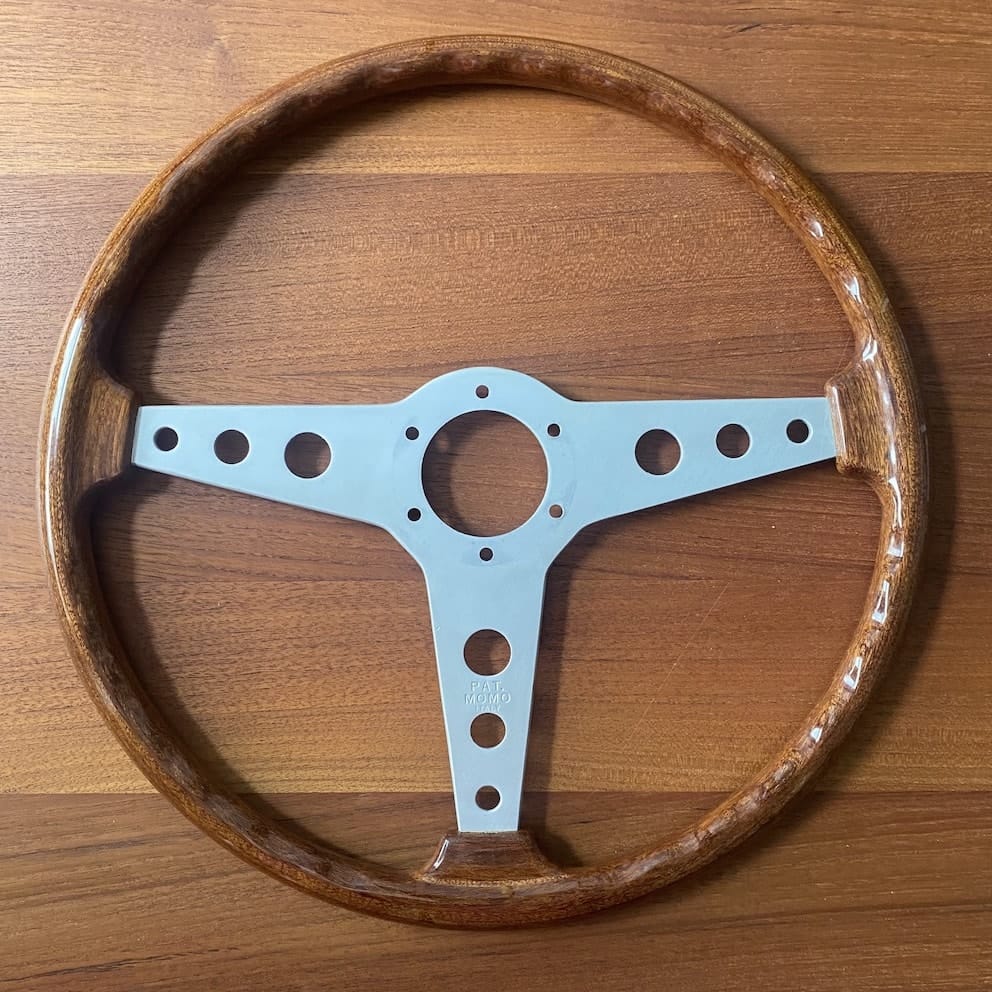
What you get back is not a “new” steering wheel.
And that’s exactly why it works.
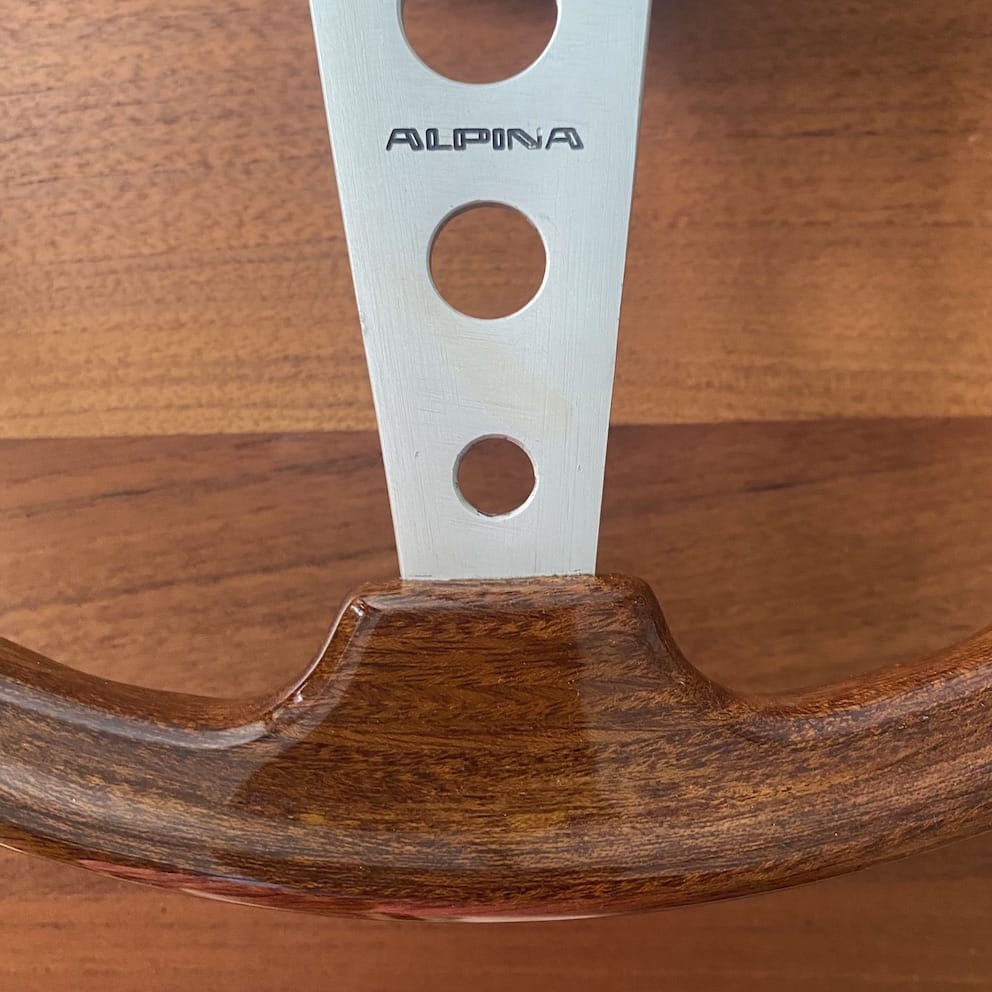
The shape is still there.
The history is still there.
But the surface — alive again.
Protected, but not sealed off.
Some links may be affiliate links. I may earn a small commission at no extra cost to you.
Wooden steering wheels are unforgiving.
You can’t fake them.
You can’t shortcut them.
And you definitely can’t mass-produce what time has done to them.
Restoring one is less about fixing damage
and more about understanding what not to touch.
Some parts can be replaced.
Some can be restored.
And some should only be handled by people who don’t feel the need to explain every step.
If you have a wooden steering wheel — let someone like Peter do it.
Not because it’s complicated.
But because it isn’t supposed to be simplified.
| Cookie | Duration | Description |
|---|---|---|
| cookielawinfo-checkbox-analytics | 11 months | This cookie is set by GDPR Cookie Consent plugin. The cookie is used to store the user consent for the cookies in the category "Analytics". |
| cookielawinfo-checkbox-functional | 11 months | The cookie is set by GDPR cookie consent to record the user consent for the cookies in the category "Functional". |
| cookielawinfo-checkbox-necessary | 11 months | This cookie is set by GDPR Cookie Consent plugin. The cookies is used to store the user consent for the cookies in the category "Necessary". |
| cookielawinfo-checkbox-others | 11 months | This cookie is set by GDPR Cookie Consent plugin. The cookie is used to store the user consent for the cookies in the category "Other. |
| cookielawinfo-checkbox-performance | 11 months | This cookie is set by GDPR Cookie Consent plugin. The cookie is used to store the user consent for the cookies in the category "Performance". |
| viewed_cookie_policy | 11 months | The cookie is set by the GDPR Cookie Consent plugin and is used to store whether or not user has consented to the use of cookies. It does not store any personal data. |