Restoring Vintage Momo Steering Wheels

Not everything that looks new is an improvement.

by Mads – Last updated April 2026

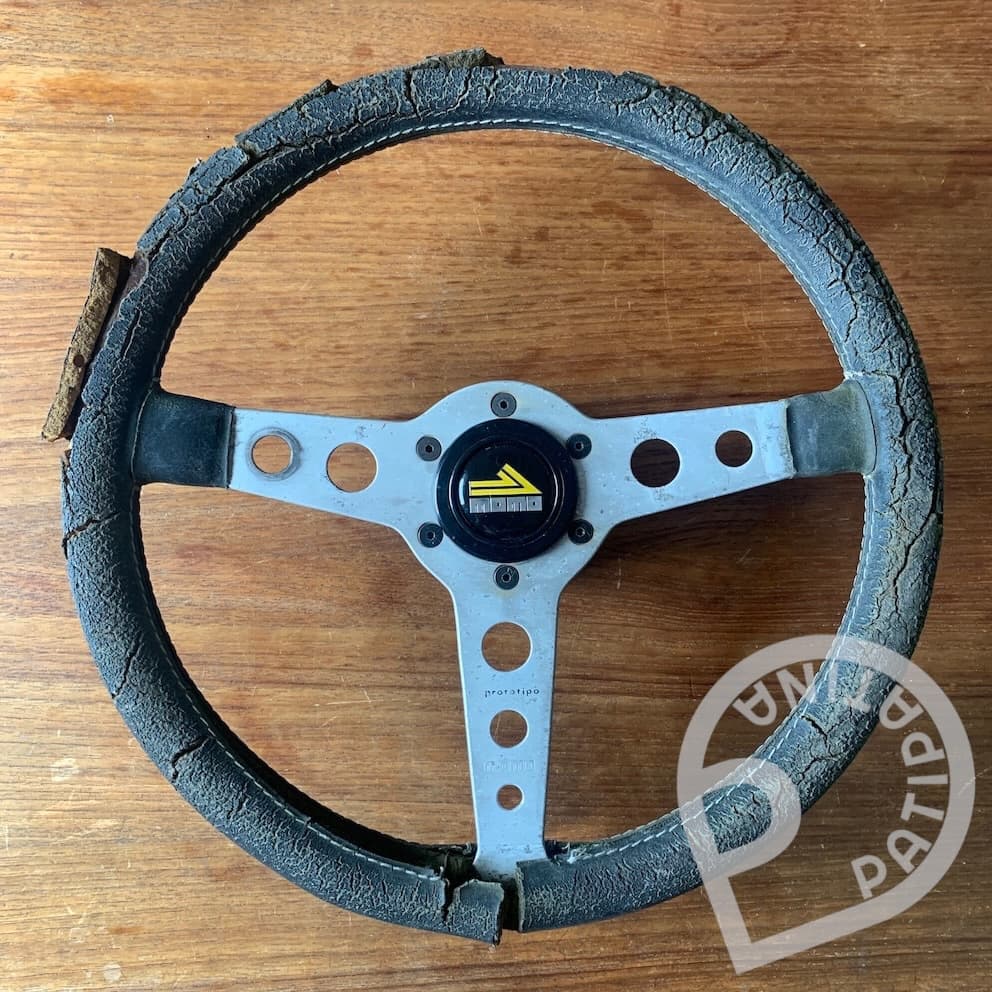
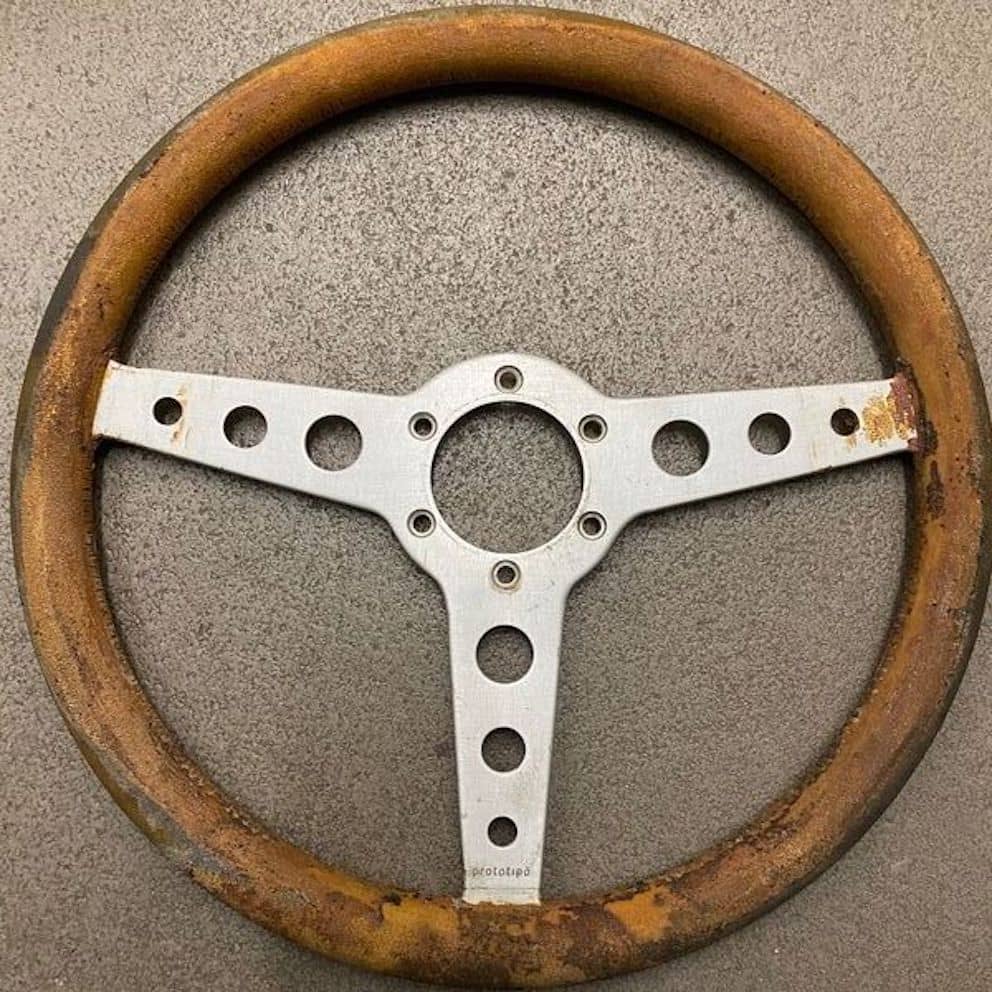
Momo Prototipo Steering Wheel - 350 mm - flat - sunburned

Old steering wheels don’t age.

They record.

Every drive. Every hand. Every year.
The leather doesn’t just wear — it tells you how the car was used.

And at some point, the question shows up:

Do you restore it — or do you replace what made it interesting in the first place?

Some links may be affiliate links. I may earn a small commission at no extra cost to you.


The temptation of “new”

Reupholstering sounds simple.

New leather. Fresh stitching. Clean surface.

Problem solved.

But that’s not restoration.

That’s replacement.

And the moment you replace the surface, you replace the story.

Where it gets complicated

There are situations where doing nothing is no longer an option.

  • leather completely gone
  • structure exposed
  • damage beyond preservation

That’s where the line gets blurry.

Because now it’s no longer about philosophy.

It’s about making a decision.

The experiment

At some point, I had a wheel that forced that decision.

A Momo Prototipo from the stacked-logo period. Late 60s to early 70s. Structurally perfect.

But no leather left.

So I did what everyone eventually does:

I went looking for “the right guy”.
The search

It took time.

Conversations. Emails. Photos. References.

I described everything:

  • leather texture
  • stitching style
  • seam placement
  • overall feel

Not just how it should look – but how it should not look.

Because getting close is easy.

Getting it right is not.

And back then, I genuinely believed I had found the right place.

The result

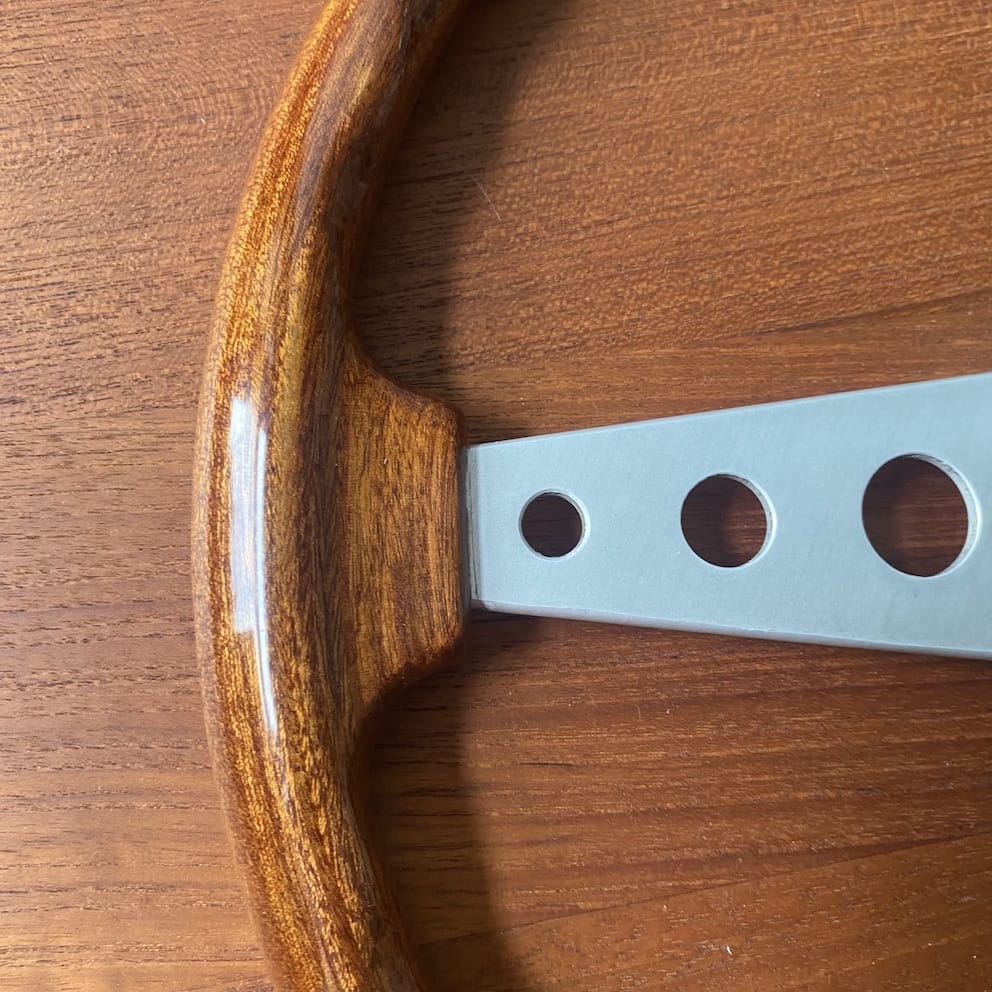
What came back wasn’t a restored steering wheel.

It was something else.

Technically new.
Visually wrong.

Too clean. Too tight. Too far away from what it used to be.

All the details that matter – gone.

And for a moment, there is silence.

Because this wasn’t supposed to happen like this.

The name behind it carried weight.
Reputation. Experience. Presence.

Everything that usually convinces you before you even question the outcome.

But the outcome doesn’t care about any of that.
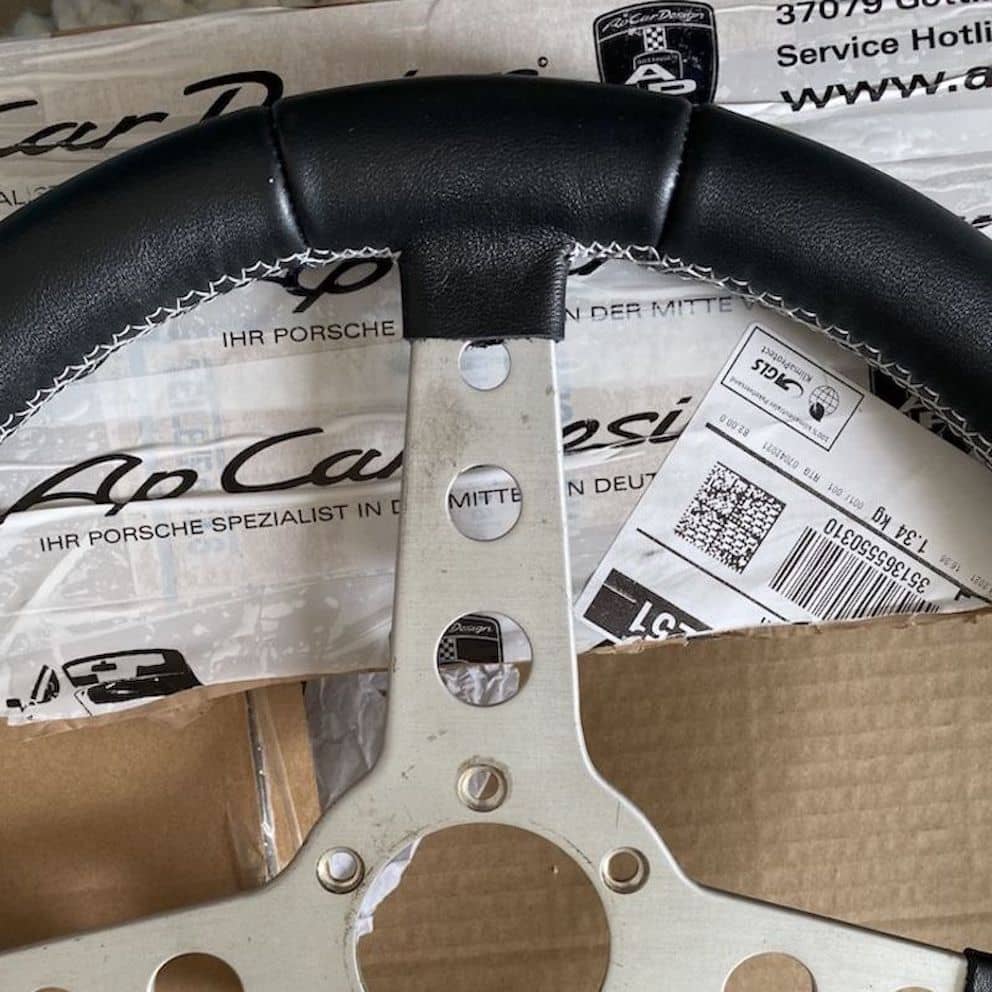
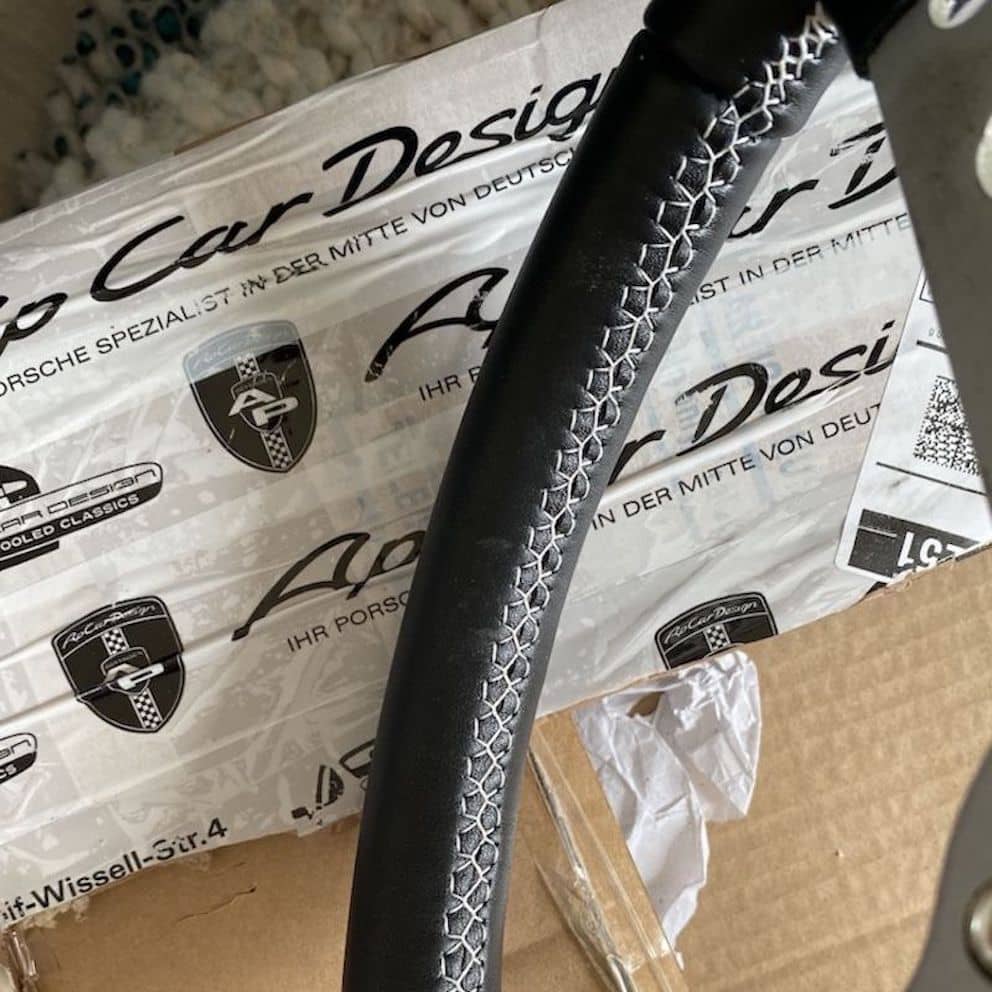
AP CAR DESIGN
AP CAR DESIGN
AP CAR DESIGN

Some links may be affiliate links. I may earn a small commission at no extra cost to you.


And then there was the box

It didn’t feel important at first.

Just packaging. Just logistics. Just something you tear open and forget about.

Until you don’t.

Because printed on it was a name.
A sender. A company.

Not hidden. Not subtle. Not questionable.

Just there.

The box itself suddenly turned into something else.
A kind of marker. A quiet reminder of how easily confidence gets manufactured.

It stayed in the room for a while.

Not because it was useful.
But because I didn’t know what to do with it.

Throwing it away felt wrong.
Keeping it felt worse.

So it just sat there.

Like evidence nobody officially calls evidence.

And the worst part didn’t even come immediately.

It came later.

When I asked for the wheel back.

And then for the money.

Weeks passed.

Then more weeks.

Emails turned shorter.

Answers turned slower.

And at some point, answers stopped being answers at all.

Just excuses dressed as explanations.

Getting the wheel back took longer than it should have.

Getting the money back took even longer.

Much longer.

And in between those two points, the box stayed where it was.

Quiet. Present. Unmoving.

Like it was waiting for the story to finish explaining itself.

The real problem

The real problem isn’t craftsmanship.

And it isn’t effort.

It’s confidence without consequence.

Somewhere along the way, restoration became performance.
A kind of controlled demonstration of skill — rather than a responsibility toward what already exists.

Everything can be rebuilt now.
Everything can be redone.
Everything can be made to look “correct”.

But looking correct is not the same as being right.

And vintage parts don’t fail because people lack tools.

They fail because something gets lost between expectation and interpretation.

Not intentionally.
Just quietly.

Until it shows.

In texture.
In tension.
In proportion.

And suddenly, what was supposed to feel familiar feels foreign.

Even if every measurement is technically correct.

What most people get wrong

You can reproduce leather.

You can reproduce stitching.

You can reproduce shapes.

But you can’t easily reproduce:

  • age
  • softness
  • irregularity
  • use

And that’s exactly what defines a vintage steering wheel.

When restoration makes sense

Only when there’s nothing left to preserve.

Not because it’s worn.
Not because it looks used.
Not because it isn’t perfect anymore.

Only when it’s gone.

Final Thought

There is a point where restoration stops being restoration.

And that point is earlier than most people think.

Not when something is slightly worn.
Not when it shows age.
Not when it looks imperfect.

But when you still have enough left to understand what you are looking at.

Because once that understanding is gone, everything after it is just reconstruction.

And reconstruction always has a tendency to overwrite memory.

So the question isn’t whether something can be redone.

It’s whether it should be touched at all.

Especially when what you are really holding in your hands is not just an object —
but the result of everything it has already survived.

And sometimes, long after the decision is made,
you still remember the box it came in.

Not because of the box itself.

But because of what it quietly revealed without ever saying a word.

More to discover