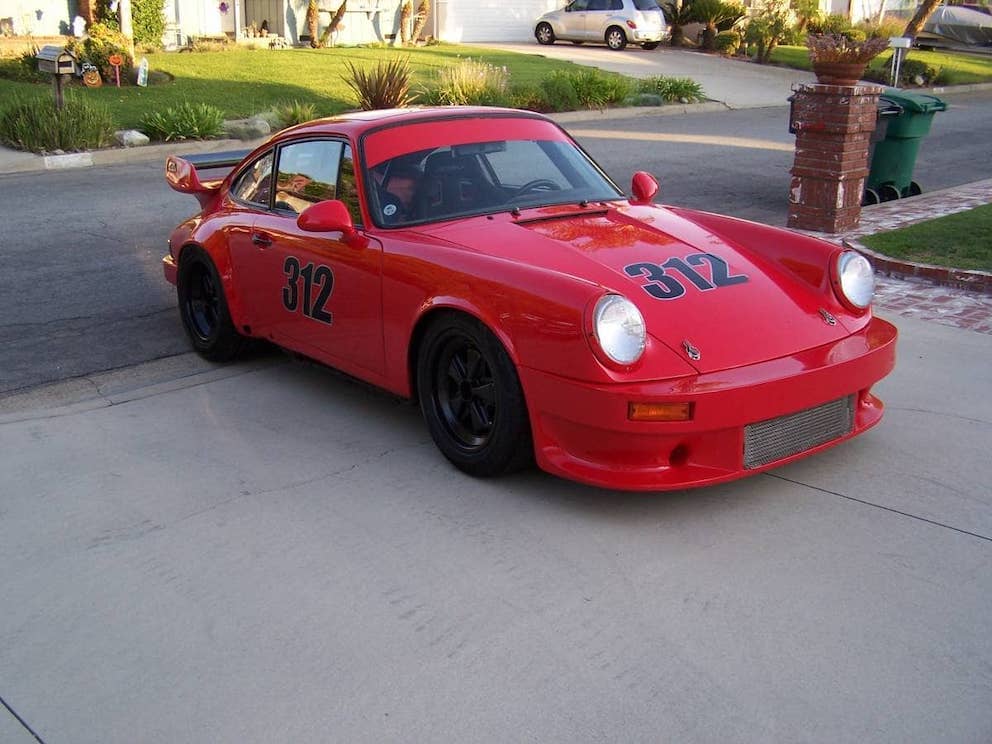
Another Porsche 911 Project #3
by Mads – April 2, 2020
Parts, decisions and direction
I know, most people expect answers about the colour by now. But not yet.
At this stage of the project, I was still in the middle of stripping the car and, more importantly, already starting to move parts out into different directions.
This is usually where a project stops looking like a single car and starts looking like a collection of decisions.
Drivetrain decisions start early
The gearbox was the first major component to leave the garage.
I sent it to a friend who specializes in Porsche transmissions and Bosch mechanical fuel pumps. The kind of guy who doesn’t just rebuild things, but understands exactly how they behave under load.
There was a short moment where I considered keeping the limited slip gearbox and replacing the rest. But I didn’t. It went as a complete unit. The engine followed a different path.
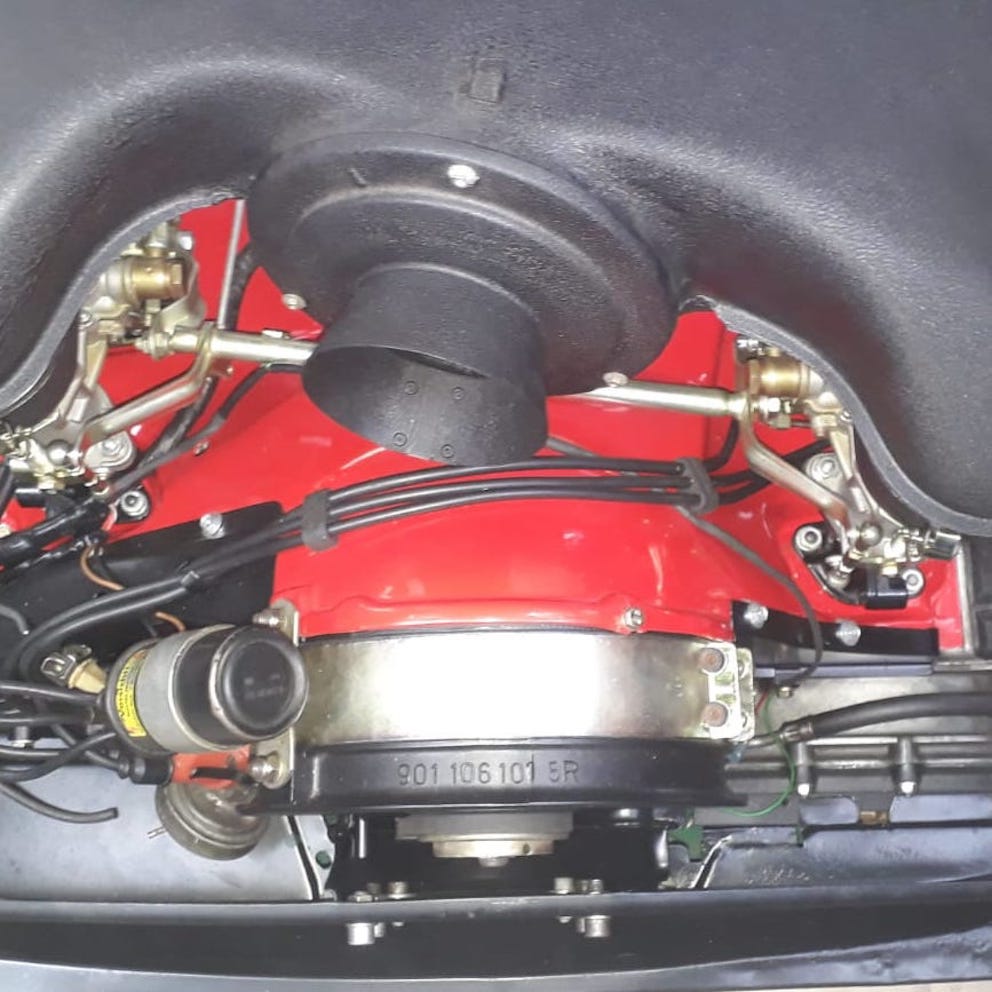
It went to another friend who needed a 3.0 litre engine for a separate project. I had no real intention of using it in this car anyway, because my plan was already shifting in a different direction.
We started building something else entirely in parallel.
A 2.7 litre based engine with RSR specification and a few additional internal modifications. Weber 40s initially, with PMO 46s also sitting on the shelf.
At that point, even I wasn’t fully decided yet what would end up in the car. But I liked having options.
Wheels and original craftsmanship
One of the first visual components I decided to commit to were the wheels.
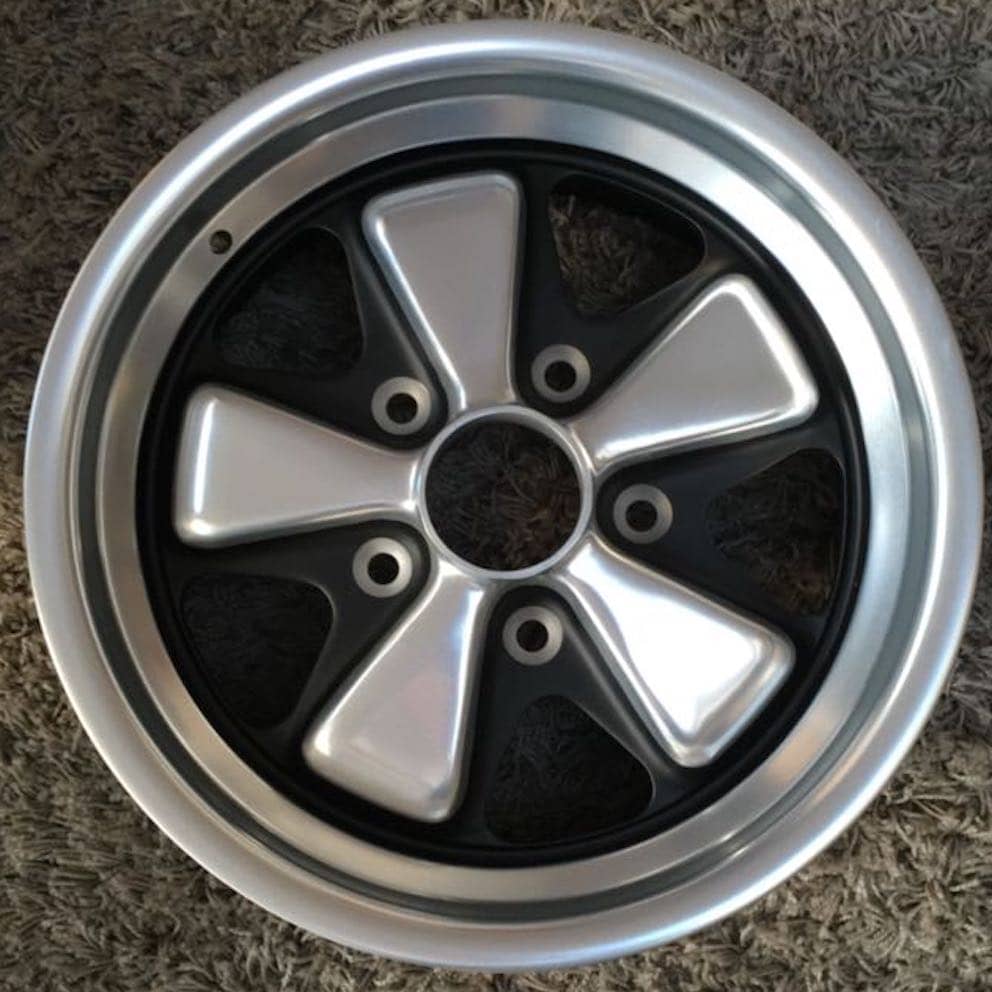
I sent a set of Fuchs wheels back to the original manufacturer in Germany for restoration. My thinking was simple: if anyone knows how to bring them back properly, it should be them.
The result was good, not perfect, and definitely not cheap. But it gave the car a solid reference point for the rest of the build. And sometimes that’s enough.

Small parts, big direction
This phase of the build was really about details. I started collecting and refining parts that would later define the character of the car.
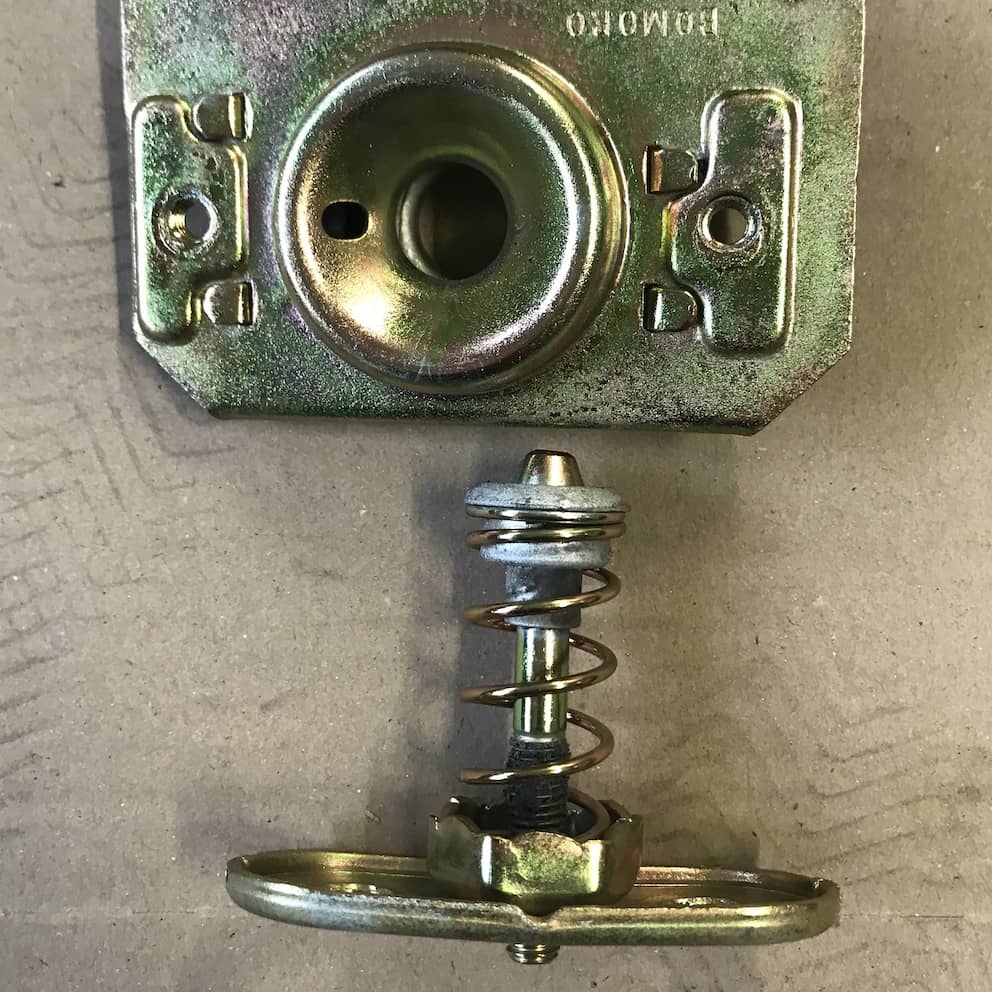
One of them was a pre-1974 rear deck lid with integrated license plate light mounts. It originally came from a 911 E. Instead of keeping it as-is, I modified it. The center section was reshaped so it would visually align with a “C” identity instead of an “E”.
A small change, but one that felt meaningful in the overall concept.
After that, everything was rechromed. The finish came out far more reflective than expected, almost exaggerated in the best possible way.
What mattered and what didn’t
At that point, I wasn’t overly concerned with cosmetics.
What mattered more was what was underneath.
The car was not running, but that didn’t change the decision. I already knew it had a 3.0 SC engine, and that was enough to understand what kind of mechanical base I was working with.
Transmission was SC as well, and it even had a factory limited slip differential, which made it more interesting than expected.
So even though the car looked rough on the outside, the core was actually quite solid.
And that changed everything.
Seat choice and driving position
The seating position was next.
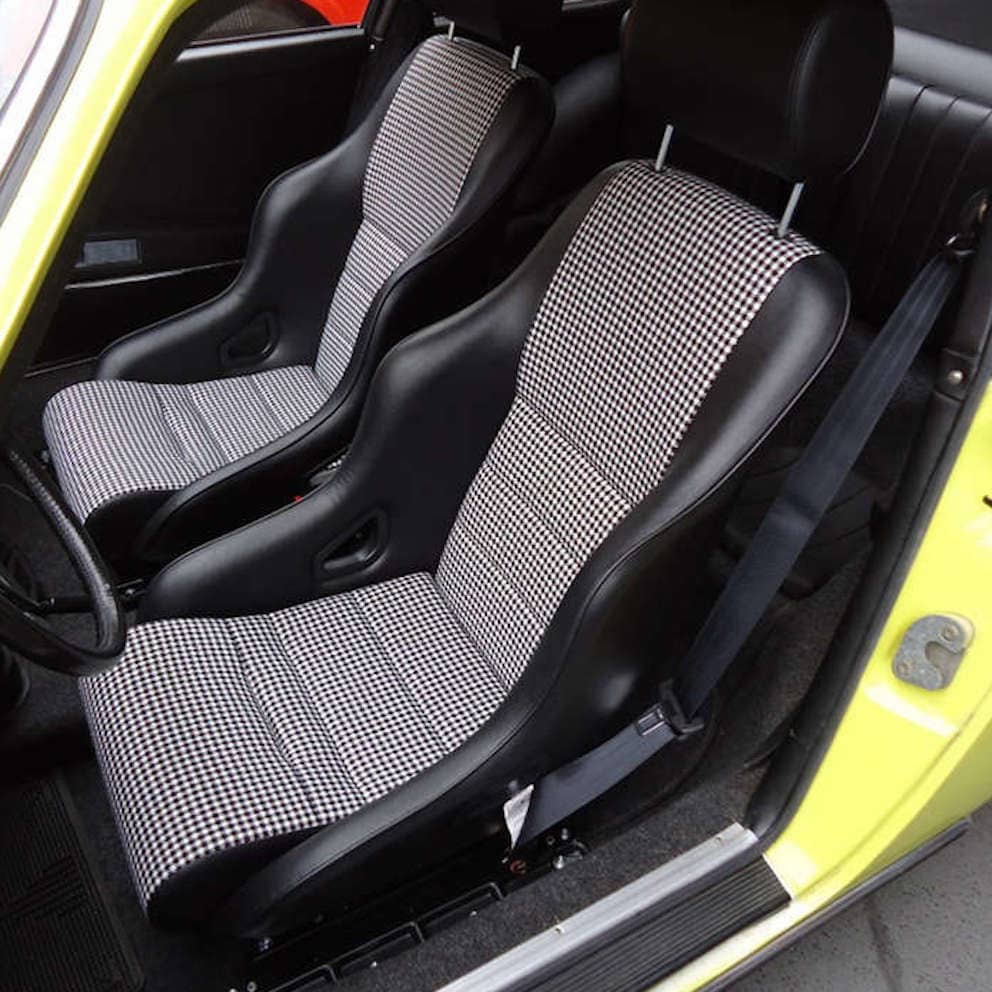
I wanted something that still felt old-school, but was suitable for proper harness use. I found a set of BF Torino Rally ST seats and installed them immediately in one of my other Carrera 3.0 cars just to test them in real driving conditions.
They worked exactly the way I wanted. Later I chose a simpler trim version in leatherette and corduroy, knowing they would be reupholstered anyway. The important part was the shape, not the finish.
Everything underneath matters
While the visual direction was slowly forming, I started working through the technical parts one by one.
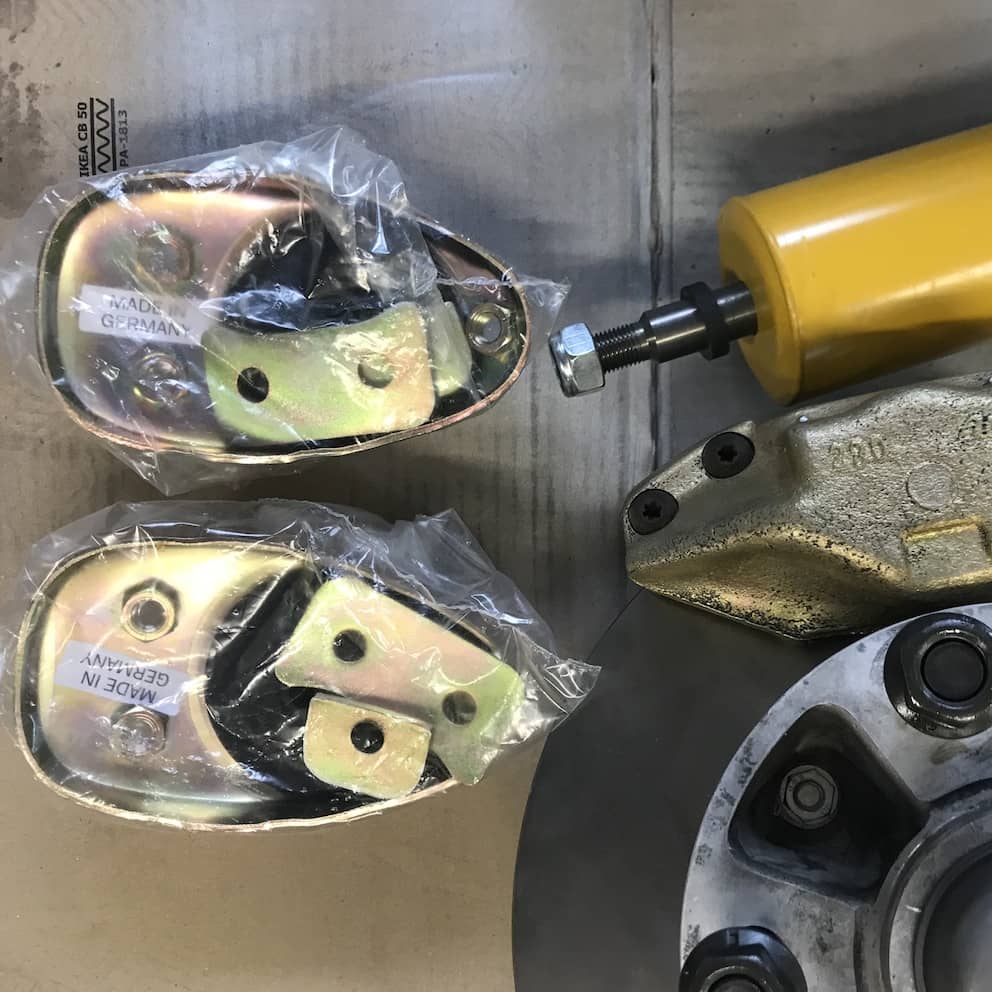
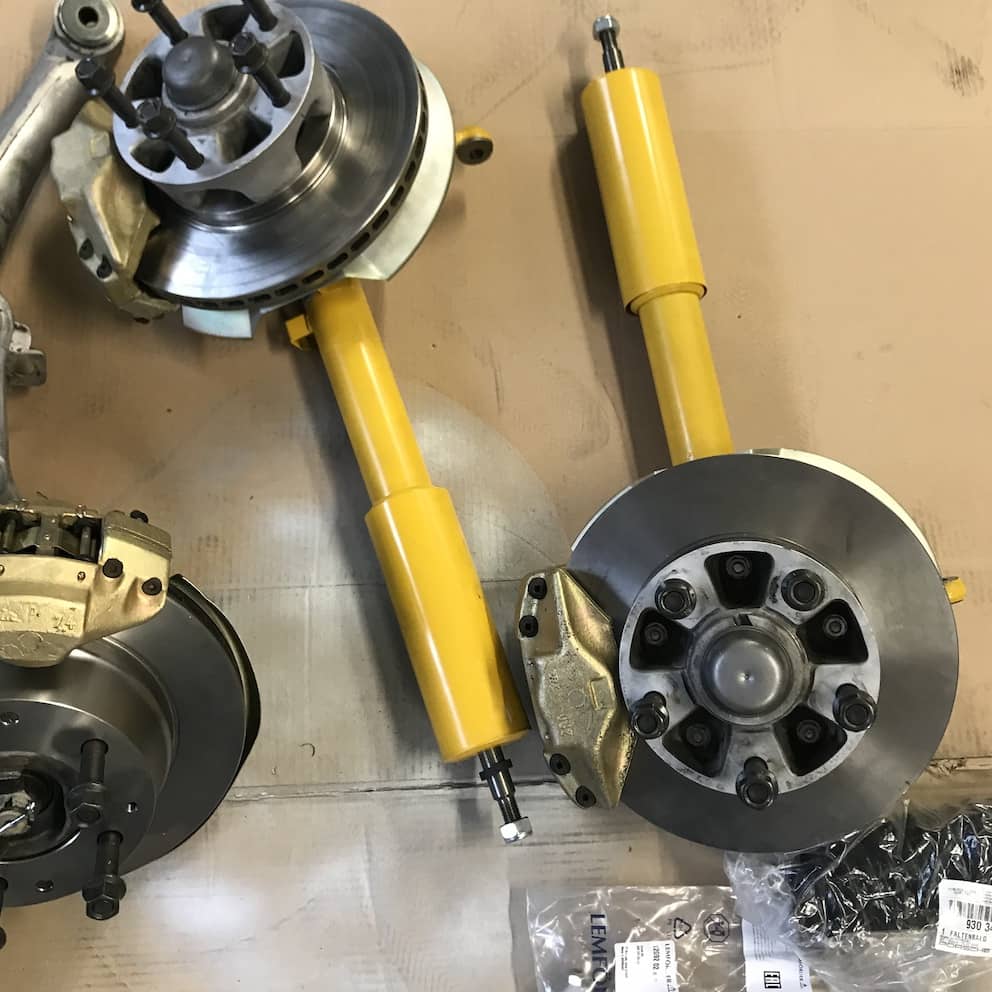
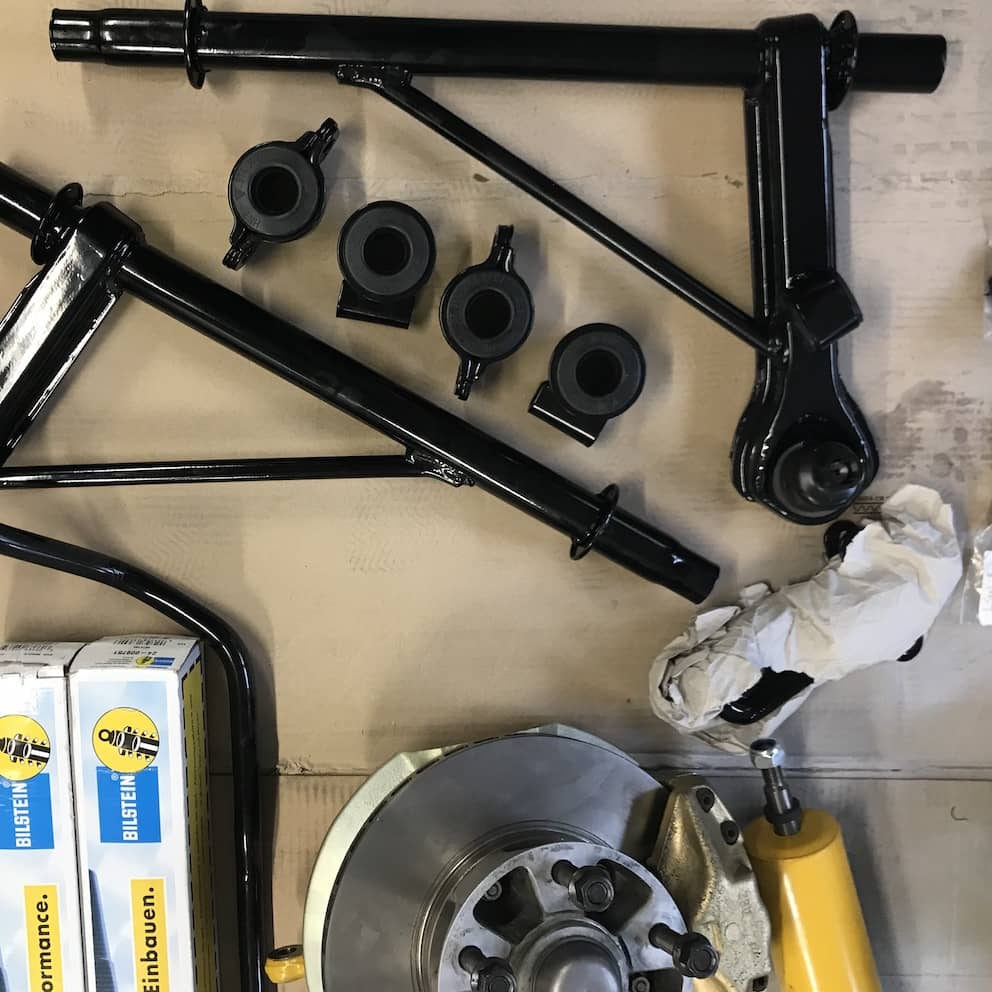
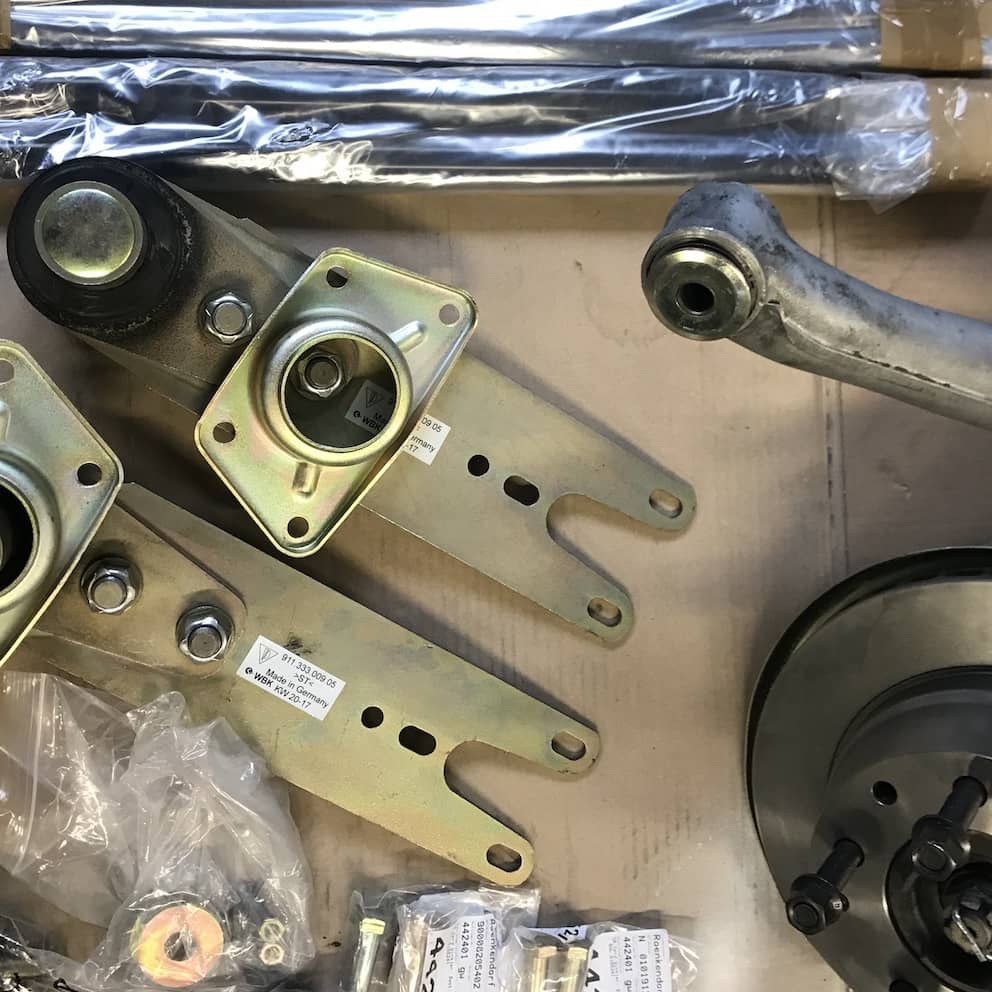
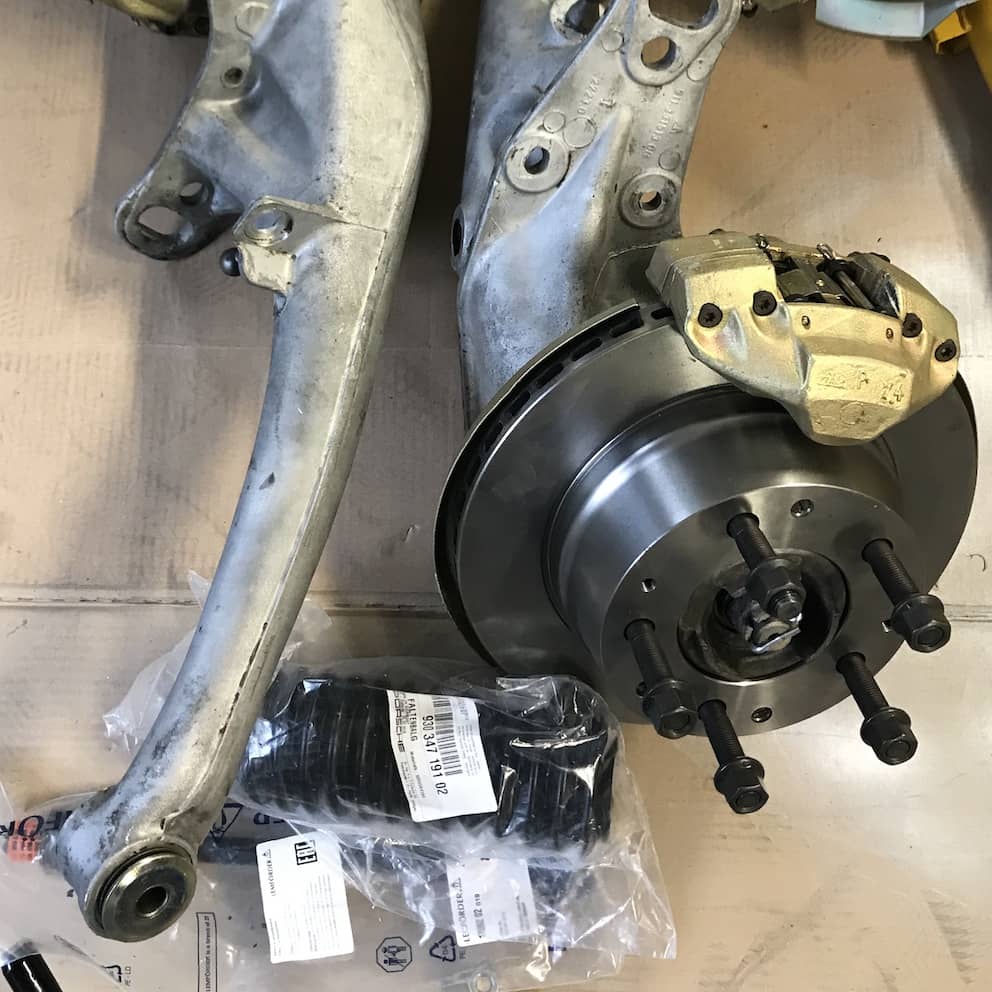
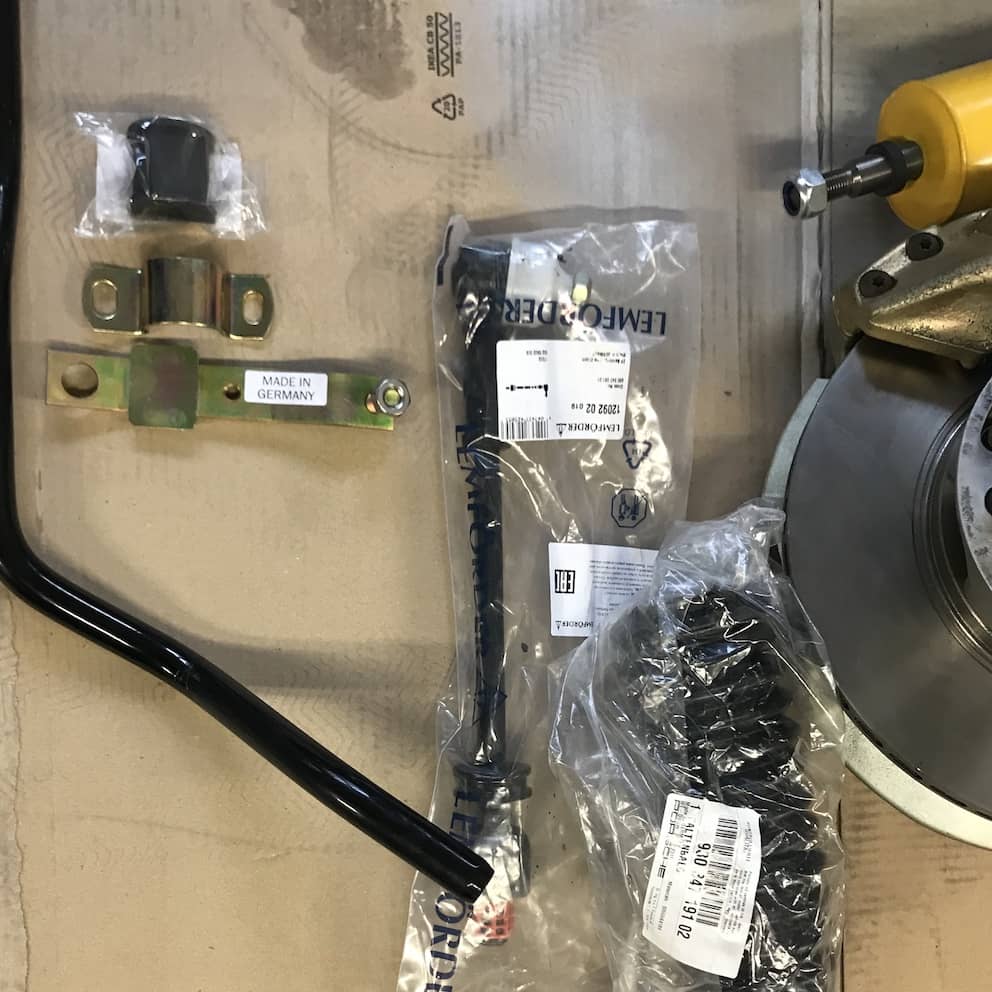
Components were sent to sandblasting, then either powder coated or treated with yellow chromate depending on their role. At the same time, the suspension system was rebuilt with new Bilstein dampers, including full front strut assemblies.
Brake calipers were restored. Bushings and linkage components replaced. Even the steering column was rebuilt with new Turbo tie rods.
At this point, very little of the original mechanical setup remained untouched. But that was the intention.
Everything was either new or brought back to proper working condition.
A car turning into a system
What started as a single project car was slowly turning into a system of decisions.
Nothing was random anymore.
Every part that left the garage, every component that came back in a different condition, and every upgrade changed the direction slightly.
And even though the final form was still not visible yet, the structure behind it was already clear.
The car was no longer just being restored.
It was being defined.