Porsche 911 Backdate “Pauli”
by Mads – September 21, 2019
Learning by Doing
People often ask when I actually started working on cars myself. Not just driving them or collecting parts, but really getting into it. Taking things apart, figuring them out, putting them back together in a way that makes sense to me.
This car is probably the closest thing to an answer.
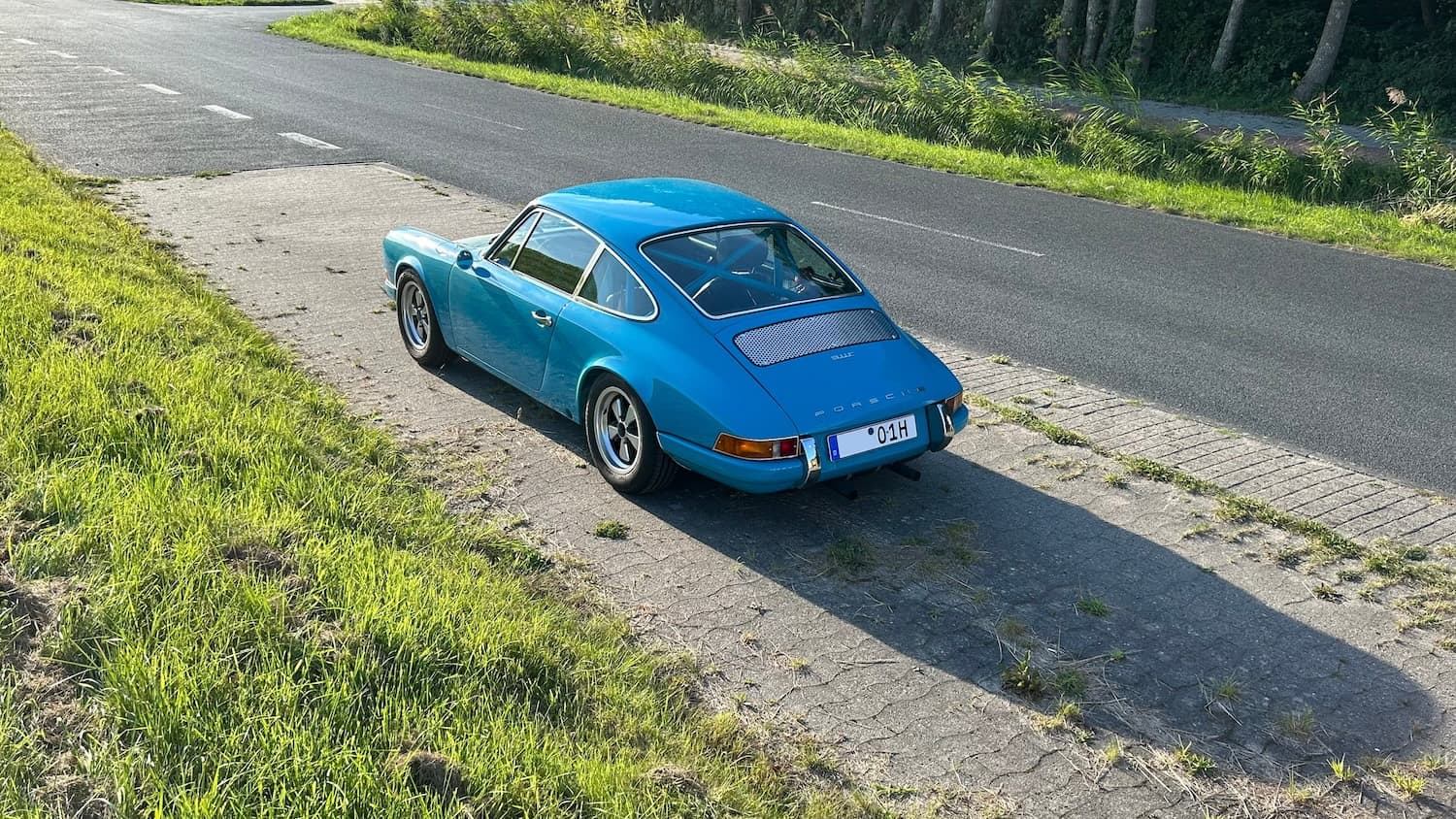
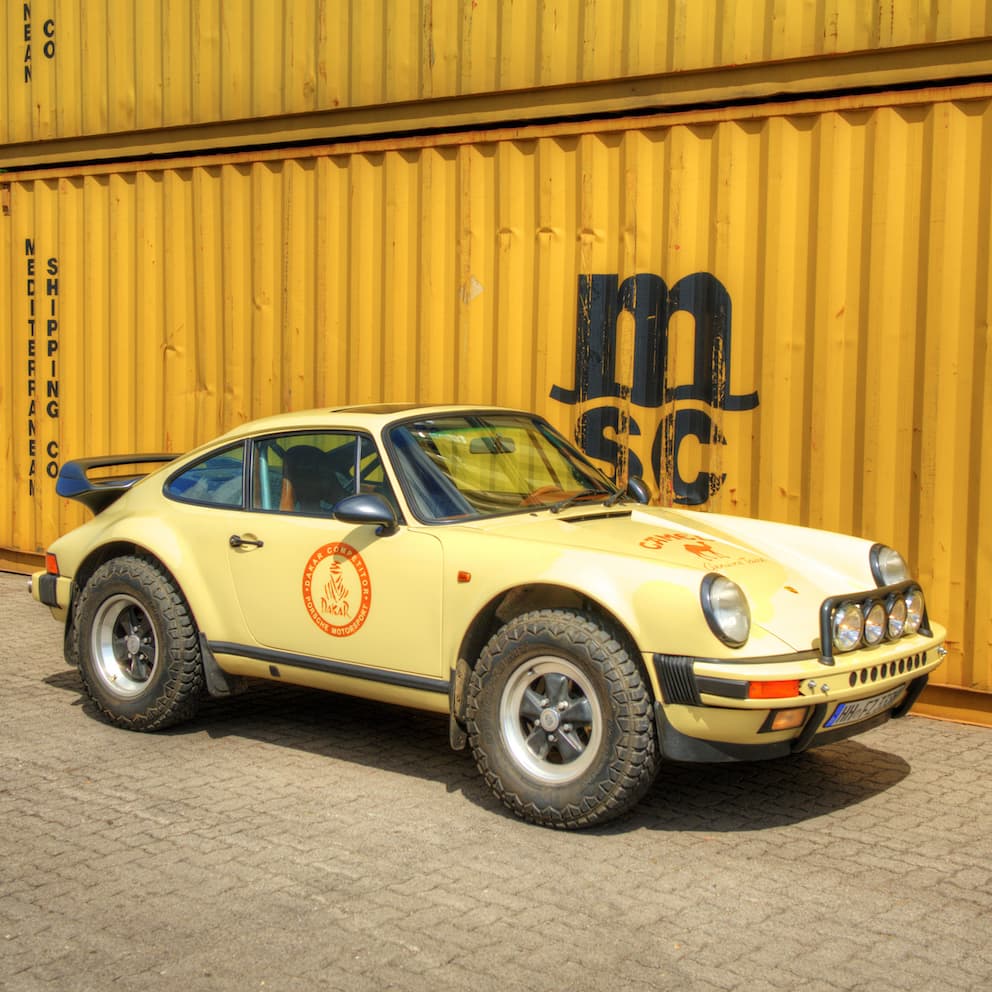
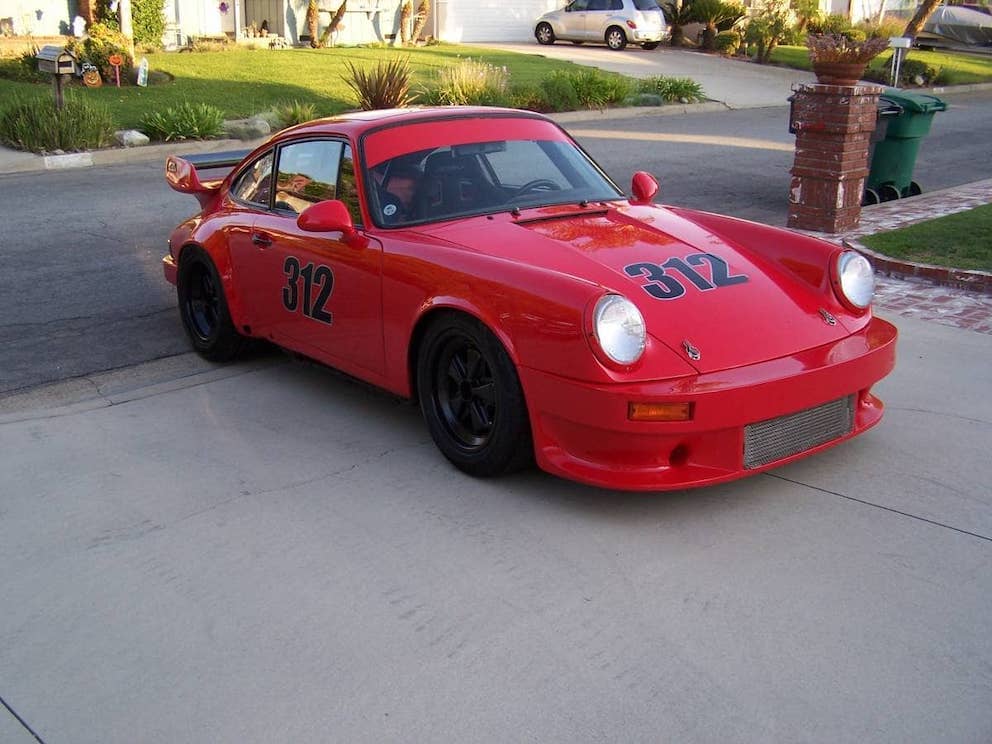
A 1983 Porsche 911 SC, my first backdate project. “Pauli”, for reasons I can’t even remember anymore. At some point the name just stuck.
Not just another 911
Before this car, I had a few all-original 911s from different generations. Good cars, exactly the way they left the factory, and for a while that was enough. But at some point I wanted something different. Not better, just more my own. I didn’t want to preserve anymore, I wanted to understand how things work and change them along the way.
So I started looking for a base. A 911 SC made sense. Solid, simple, and at the time still relatively affordable. This one came from the US, originally delivered in San Diego, later in Miami. I found it on Craigslist in 2012, bought it, had it shipped to Germany, and that was that.
It had around 225,000 miles on it, still matching numbers, and the engine felt strong. The gearbox needed some work, synchros were tired, but that didn’t really bother me. Back then, cars like this were still a different world in terms of price.
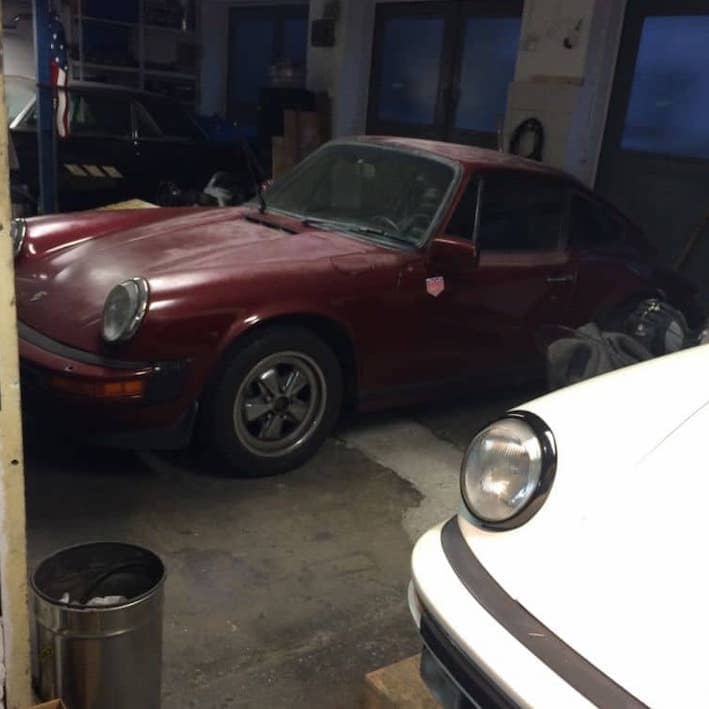
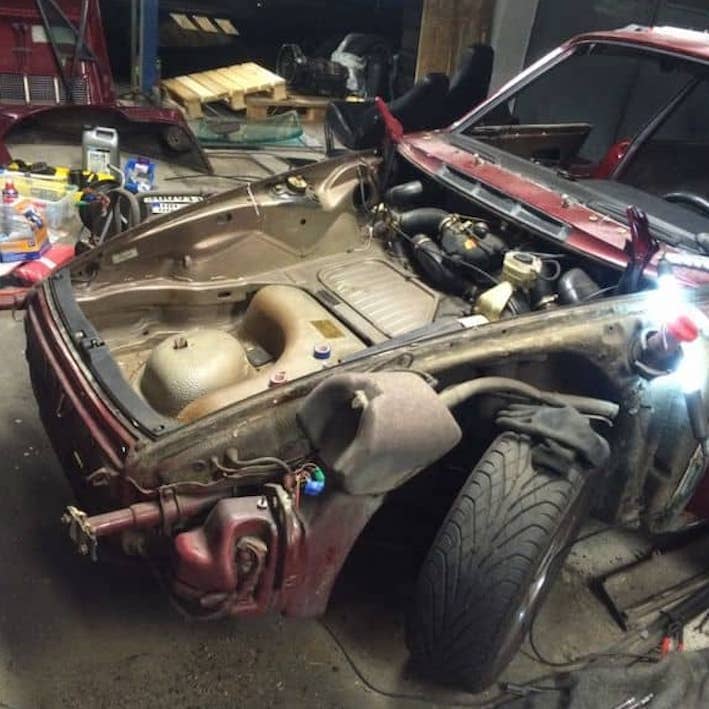
Just starting to take it apart
There wasn’t much of a plan. I had read quite a bit, mostly on Pelican Parts, and had a rough idea of doing a lightweight backdate. Beyond that, I just wanted to try it myself.
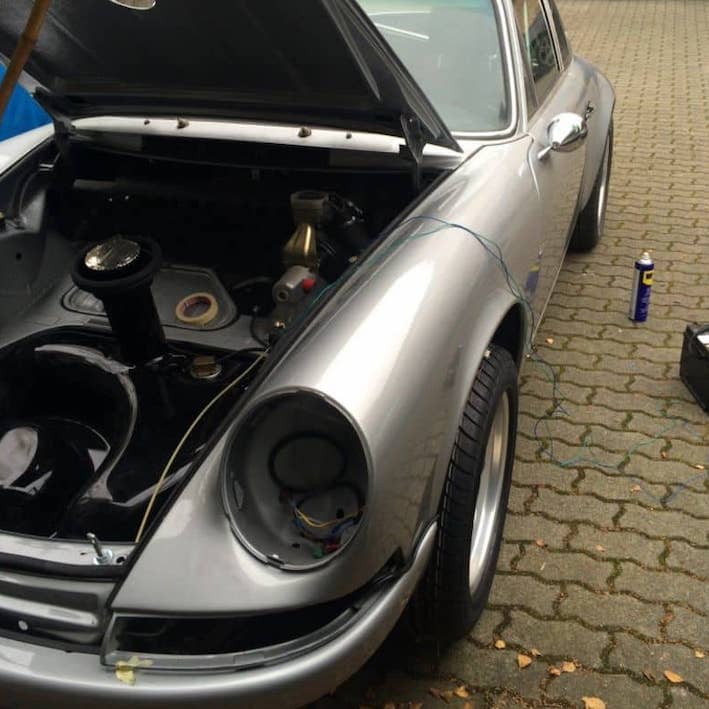
At some point I simply started. Took the car apart piece by piece, beginning at the front and slowly working my way to the back. Headlights, hood, bumper, fenders. It was the first time I had done anything like that, and I didn’t have any mechanical background. Still, it worked.
The interior came out next. Doors, panels, windows, seats, carpets. More time consuming than difficult. And then I got to the engine. First time removing one on my own, took me about five hours. Today it’s a different story, but back then that was a big step.

Finding the direction while building
The idea of the backdate developed while I was already in the middle of it. I wanted the car to be lighter, a bit more direct, so I went with fiberglass parts even though I had no experience with that.
Fitment was better than expected. Some adjustments, a bit of grinding, but nothing too dramatic.
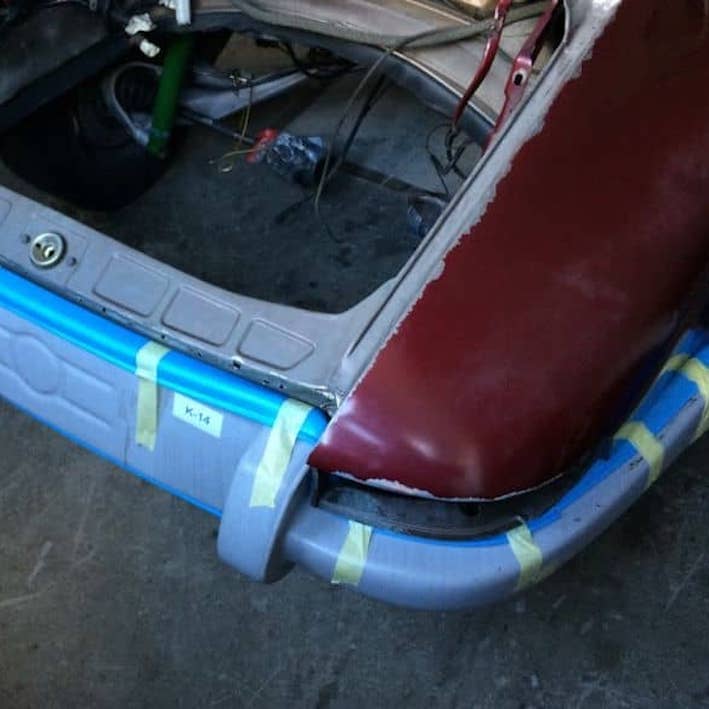
The rear bumper didn’t really work for me. It was a one-piece RS-style part, a bit too rough for what I had in mind. So I ended up cutting it into sections, building brackets and combining it with chrome elements until it looked the way I wanted. Not the easiest way, but it worked.
Details start to matter
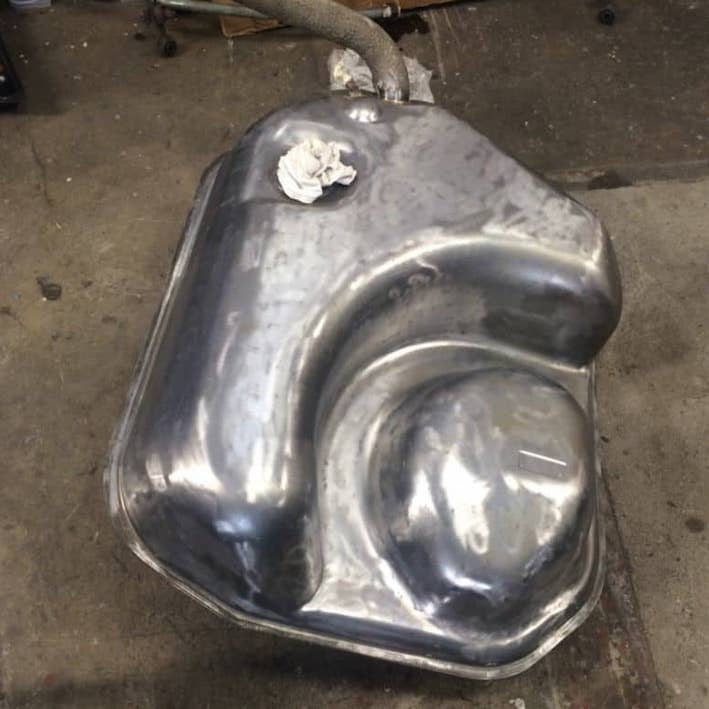
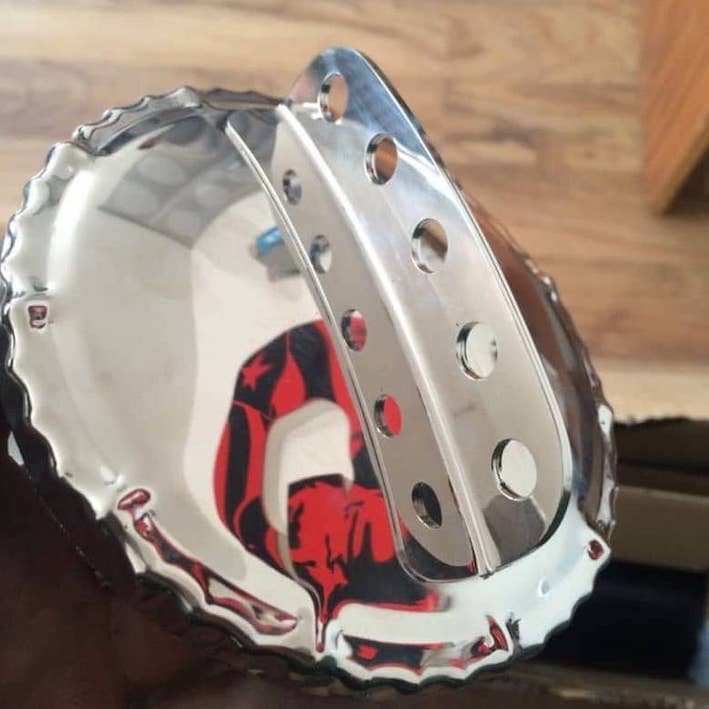
Along the way, smaller details started to matter more. I wanted a center hood filler, so the tank had to be modified. I exposed the shifter, which meant cleaning and refining parts that are usually hidden. There was a lot of polishing, a lot of trying things out, and slowly the car started to come together.
Before paint, I wanted to see what was actually underneath all those years of use. So the car was dry ice blasted, inside and out. It turned out to be in pretty good shape. Some surface rust here and there, nothing serious. There was a small repair in the rear from an earlier accident, but nothing structural.
Color decisions
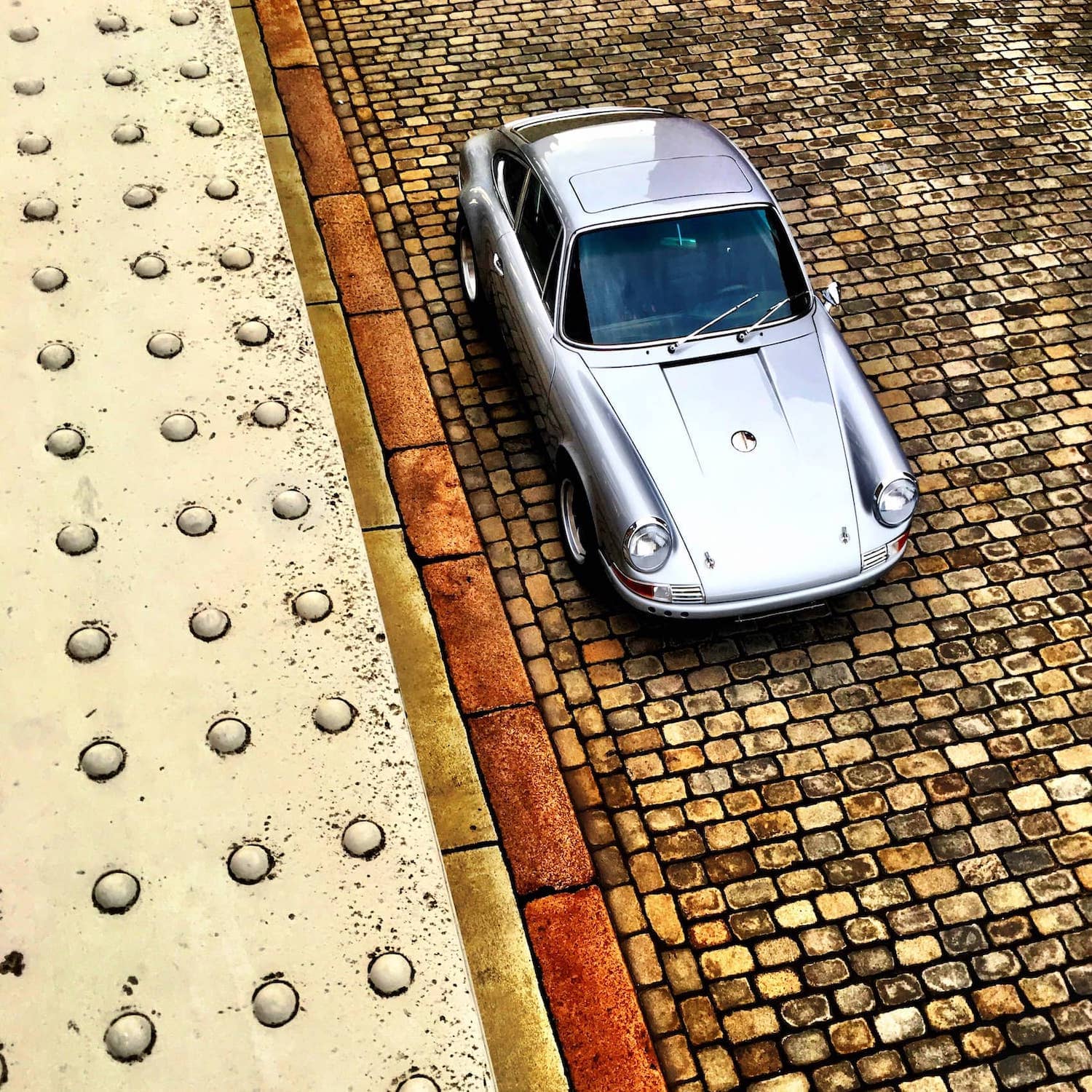
Choosing a color took longer than expected. I didn’t want to go back to the original brown metallic, but I also didn’t want something too modern. In the end, I chose a 1958 Porsche 356 silver.
When I saw the car painted for the first time, it just worked. Even though I’m not sure I would make the same choice again today.
Putting it back together
Reassembly took time. The engine went back in after some basic work, seals, chains, valves. The gearbox was rebuilt, which made a noticeable difference.
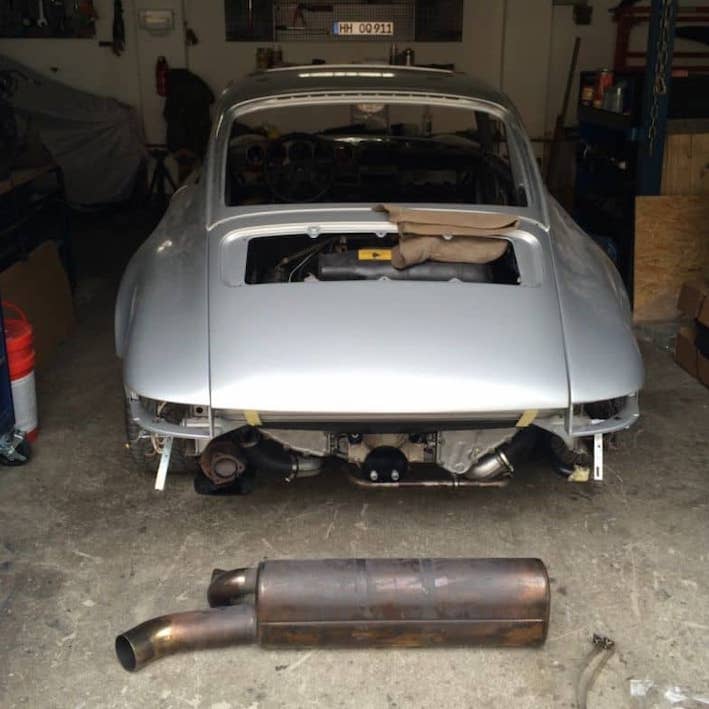
There were small issues along the way, like the exhaust not fitting the backdate setup and needing adjustment. Nothing ever really goes back together exactly as planned.
But eventually it did.
Keeping it simple inside
The interior followed the same idea as the rest of the car. Keep it simple.
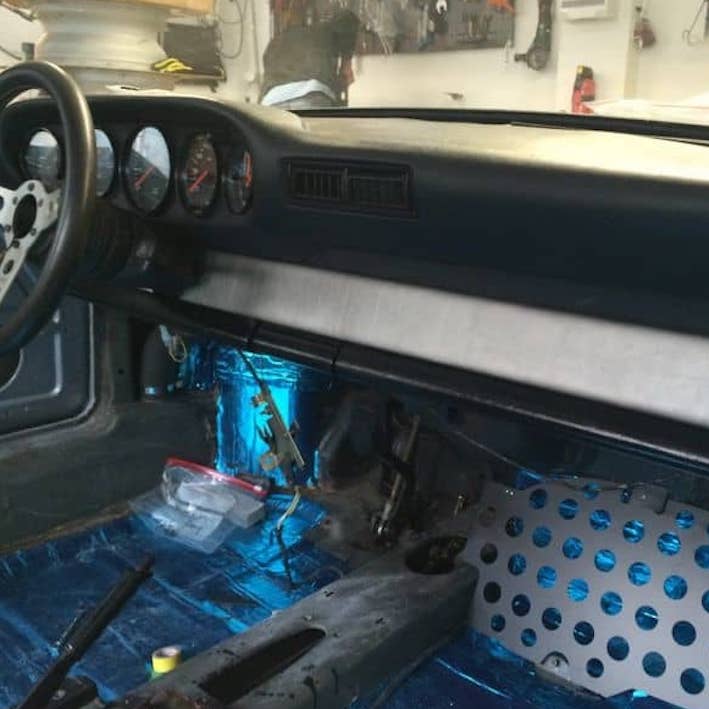
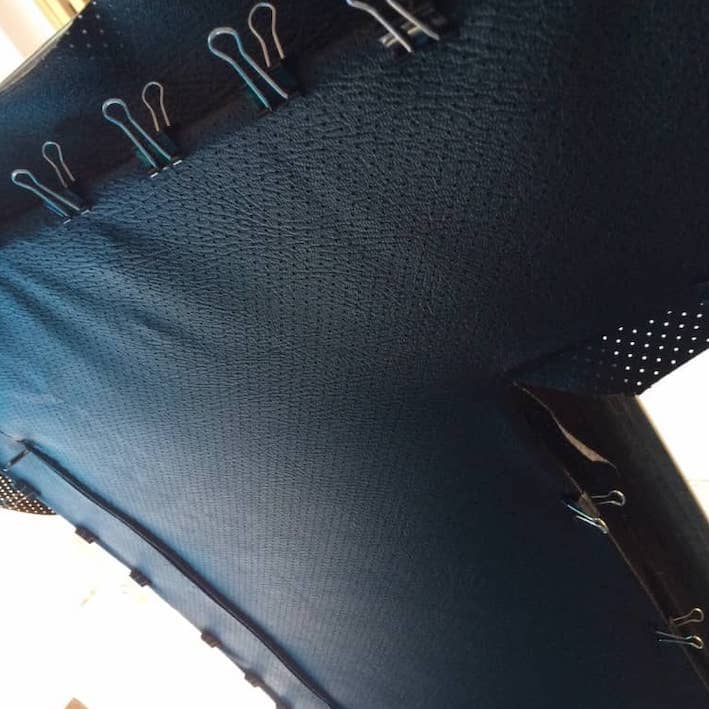
No rear seats, no radio, nothing unnecessary. New headliner, lightweight carpet, custom panels, and a different insulation setup. In total, the car lost around 200 kilograms, which you definitely feel when driving it.
Small changes that stayed
Some of the smaller changes are the ones that stayed with me.
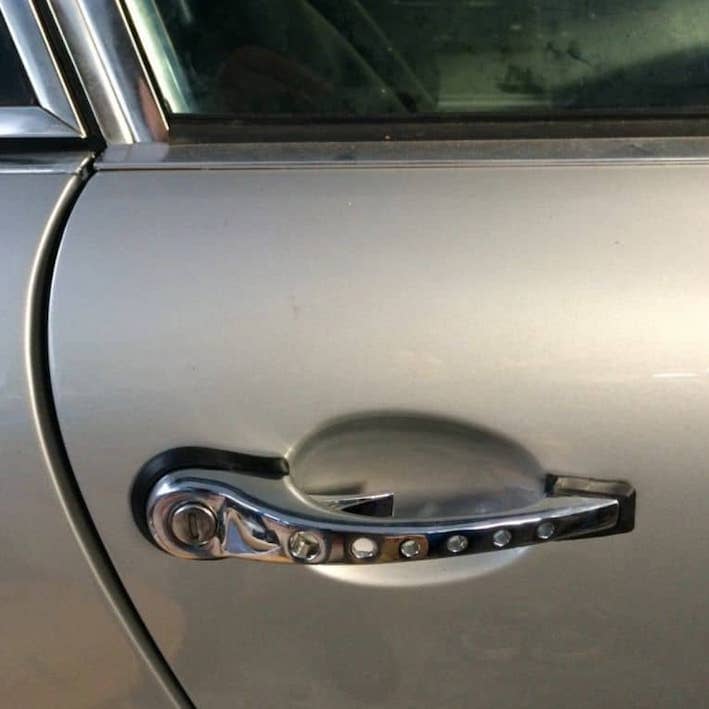
Pop-out rear windows, even though the SC never had them. Drilled and re-chromed door handles, mainly for the look. The exhaust exiting on the left side, slightly lower than expected. And I needed a Talbot Sports Mirror.
Nothing dramatic on its own, but together it defines the car.
At some point, it was done. Or at least done enough to drive. I used it, enjoyed it, and eventually sold it to move on to the next project.
But this was the first one where I really got into it.
And once you start doing that, it’s hard to stop.