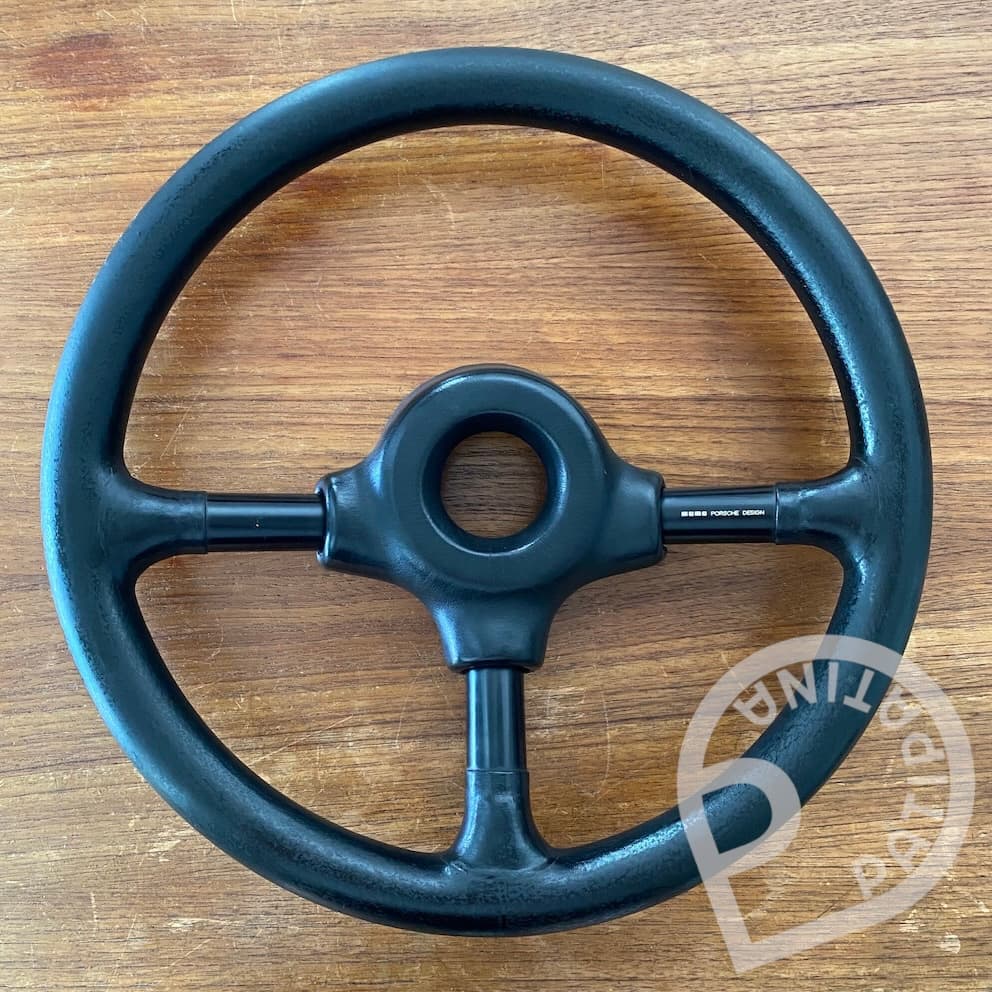
Why A 370mm Steering Wheel Is The Perfect Size For Vintage Cars
Why 370mm feels right when everything else feels wrong.
by Mads – Last updated April 2026
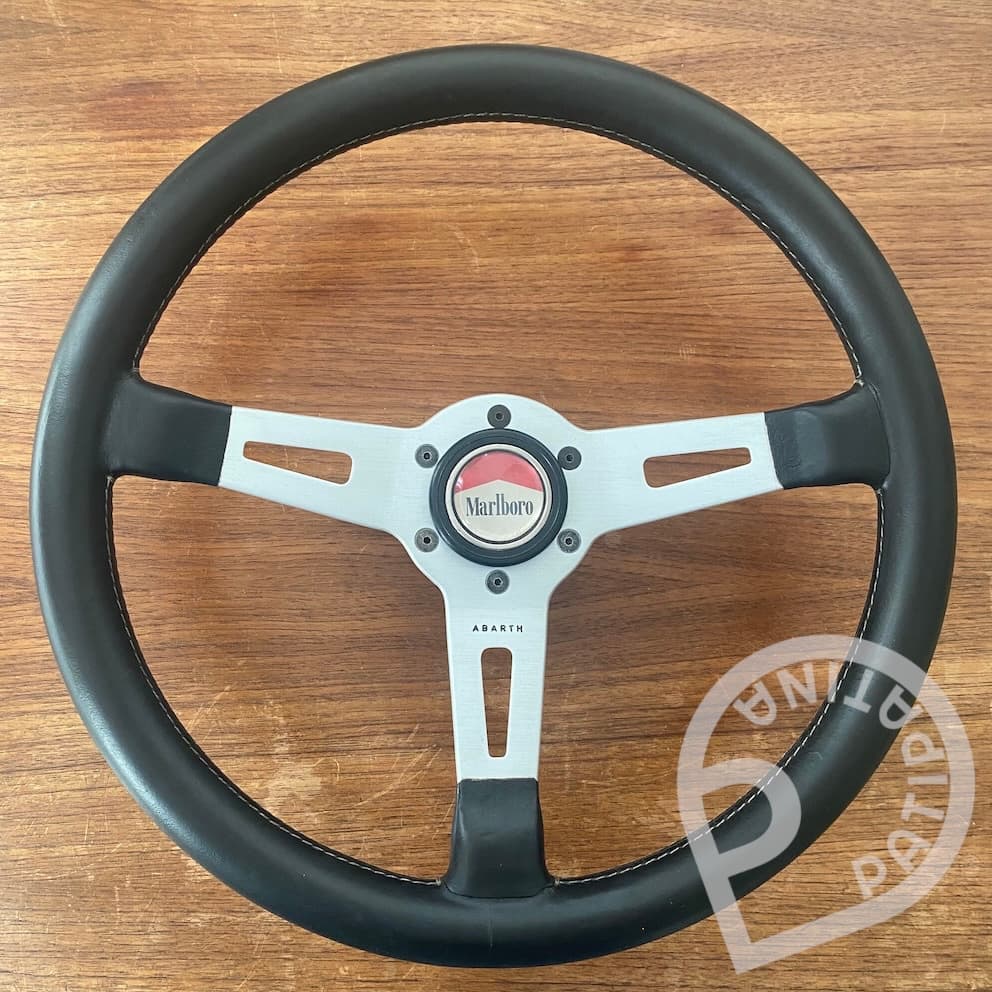
Most steering wheel choices are treated like aesthetics.
They’re not.
In vintage cars, size is not styling.
It’s function disguised as feeling.
And once you’ve driven the same car with different wheel sizes, you stop debating it.
You just notice.
Some links may be affiliate links. I may earn a small commission at no extra cost to you.
The illusion of “smaller is sportier”
There was a time when everything shrank.
Wheels. Seats. Ideas.
320mm became “racing”.
350mm became “classic”.
And anything larger suddenly felt like a bus.
But that thinking ignores how these cars actually behave.
Because vintage cars were never designed around minimal steering effort or modern assumptions.
They were designed around leverage.
Why steering effort matters more than looks
Most classic cars don’t have power steering.
That alone changes everything.
Parking, low-speed corners, tight manoeuvres – all of it depends on leverage through your hands.
A smaller wheel doesn’t make the car sportier.
It just makes it heavier in the wrong moment.
Especially in cars like:
- BMW 2002
- Porsche 911 (air-cooled era)
- early Alfa Romeo models
- classic road-going race replicas
These cars respond better when the wheel helps you, not fights you.
The 350mm vs 370mm reality
On paper, the difference looks irrelevant.
20mm.
A few grams of material.
Aesthetic preference.
In reality, it changes everything:
- steering effort at low speed
- control during parking
- visibility of gauges
- natural hand position
- long-distance comfort
A 350mm wheel can feel sharp.
A 370mm wheel feels complete.
Not faster. Not slower.
Just more usable.

Weight distribution changes everything
A front-heavy car behaves differently from a rear-engine car.
That’s obvious.
But what’s often ignored is how much that changes steering load.
A BMW 2002 with a small steering wheel feels nervous in parking situations.
The same car with a 370mm wheel suddenly becomes relaxed.
Not softer.
Just more honest in its mechanics.
And in a Porsche 911, the difference is even more subtle – and even more important.
Because here, steering feel is everything.
Gauge visibility – the forgotten argument
There’s another detail nobody talks about until they sit behind the wheel.
The dashboard was designed around the original steering wheel size.
Not the other way around.
Too small, and you start losing sight of:
- speed
- revs
- oil pressure
- temperature
A 370mm wheel often restores what was originally intended:
a clear view of what the engine is doing.
Not a compromise. A correction.
The emotional truth
At some point, numbers stop mattering.
Because you stop measuring diameter.
And start measuring trust.
How the car responds.
How your hands sit.
How natural everything feels in motion.
That’s where 370mm sits.
Not extreme.
Not minimal.
Just balanced.
Final Thought
A 350mm steering wheel can look more aggressive.
A 370mm steering wheel behaves more correctly.
And in vintage cars, correctness always wins in the long run.
Because these cars were never meant to be redesigned.
Only understood.