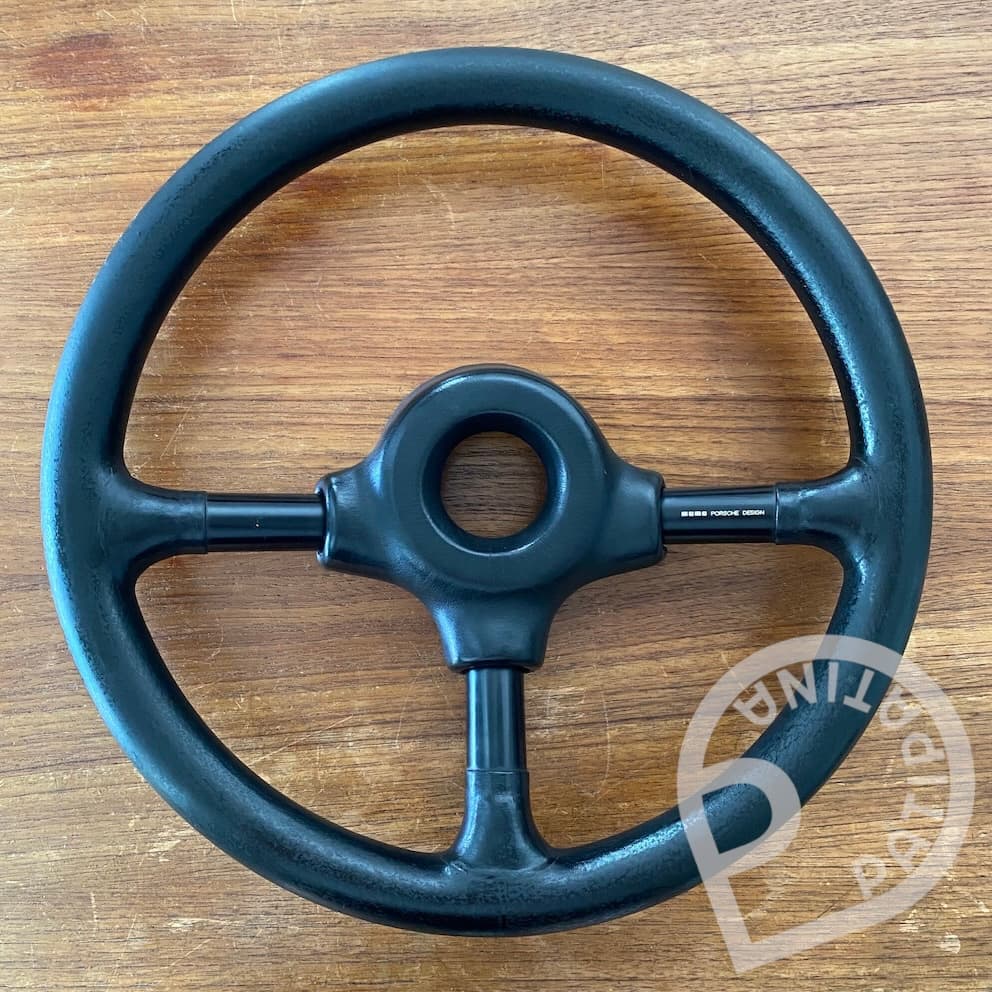
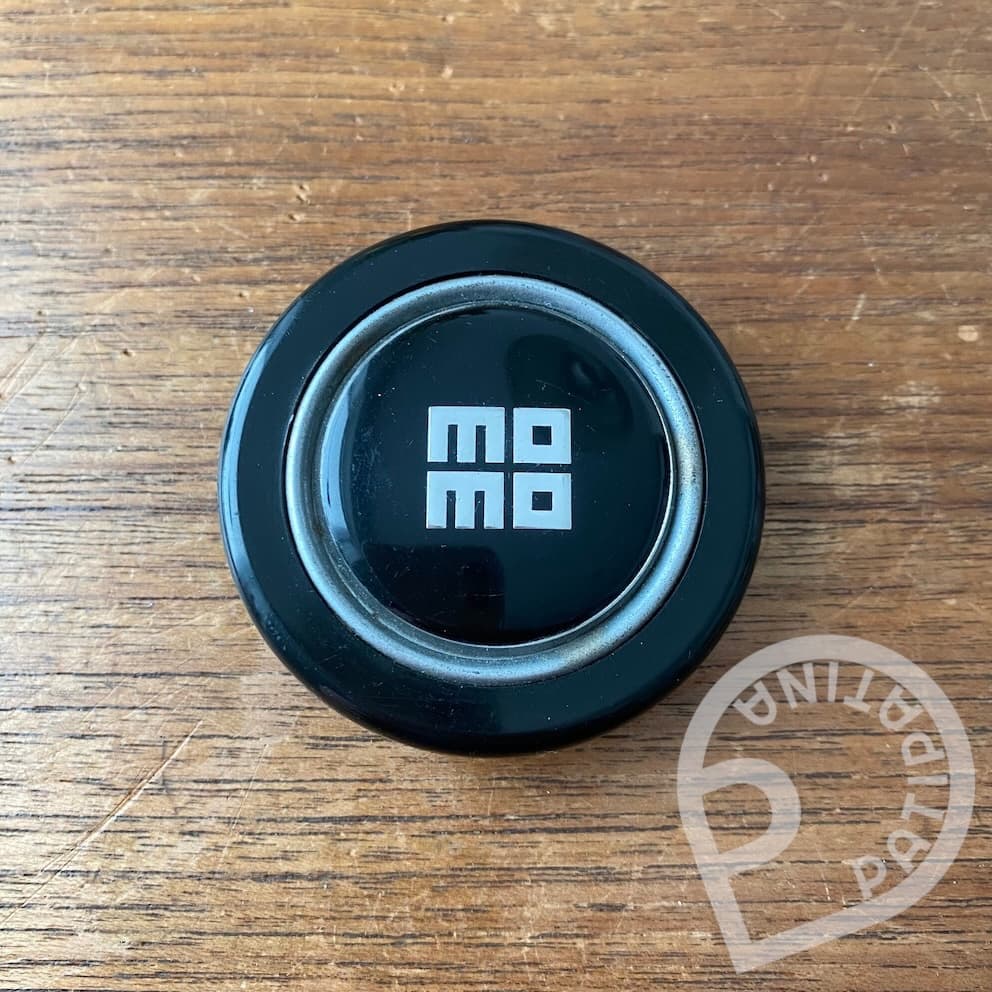
Momo & Ferrari – A Relationship That Defined Steering Wheel History
From Formula 1 to road cars — how a small workshop in Monza became part of Ferrari’s identity.
by Mads – December 3, 2025

Some partnerships are marketing.
This one became history.
The relationship between Momo and Ferrari is not just about parts, supply chains or branding.
It shaped how steering wheels feel in performance cars to this day.
And it started long before either side understood what it would become.
The beginning was not a company
In the early 1960s, Gianpiero Moretti was not building a brand.
He was a racing driver.
Like many drivers at the time, he wasn’t satisfied with what he had in his hands.
So he had something made locally — a steering wheel that was slightly smaller, but with a much thicker grip than anything available then.
Simple idea.
Big impact.
Other drivers noticed immediately.
Then they started asking for the same wheel.
One of them was John Surtees.
The moment everything changed
Surtees went on to win the Formula 1 World Championship in 1964 with Ferrari.
And somewhere in that period, Moretti’s steering wheel became visible on a much larger stage.
Not as marketing.
As performance.
That visibility turned a personal solution into demand.
And demand turned into a company:
MoMo – Moretti Monza
This is where the story stops being a modification.
And starts becoming an industry.
Ferrari and Momo – more than supply
From that moment on, Ferrari became one of MOMO’s most important relationships.
But not in a modern corporate sense.
More in a racing sense.
MOMO supplied steering wheels for both competition and road cars.
And over time, that connection expanded into something deeper:
A shared design language between track and street.
Ferrari, Porsche, Alfa Romeo, Lancia, Abarth — they all came into the orbit.
But Ferrari stayed the reference point.
Always.
The Ferrari Momo steering wheels
Some steering wheels became icons on their own.
Not because they were rare.
But because they were everywhere.
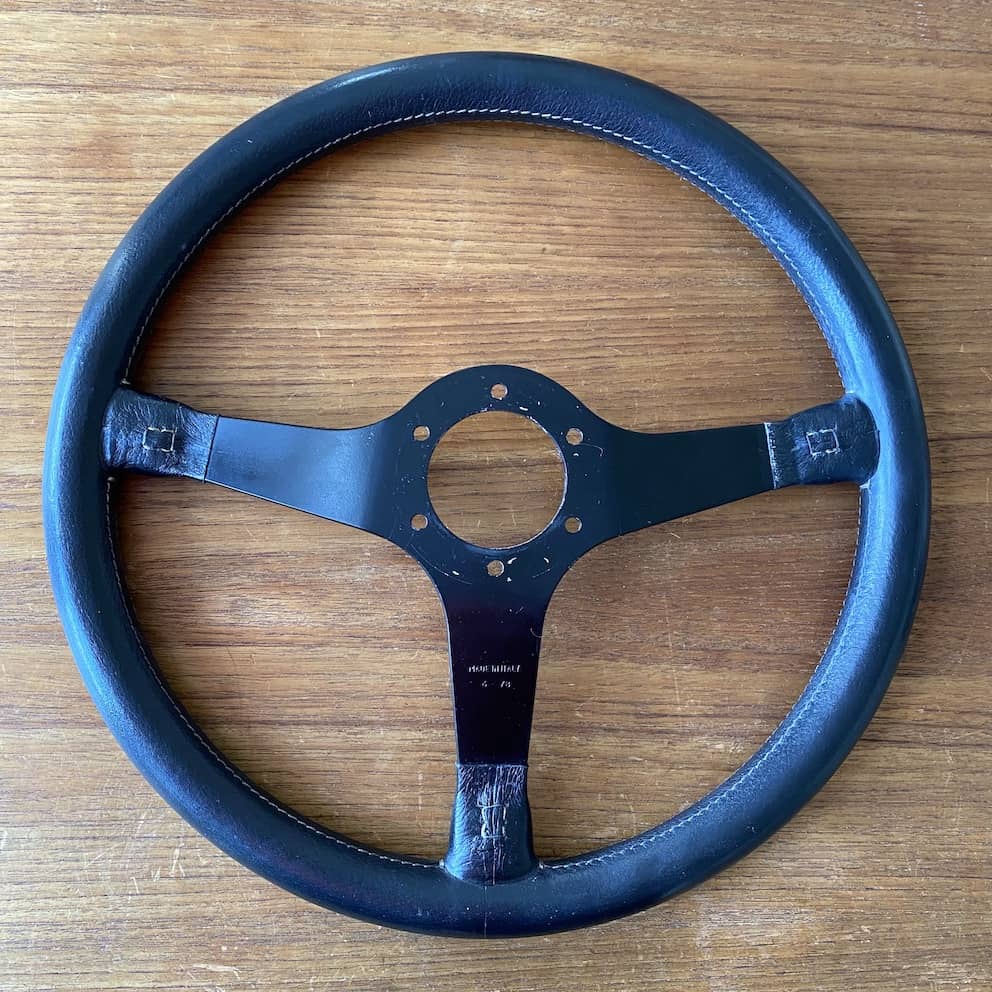
The 365mm era (208 / 308 / 328 / 365 / 512)
One of the most recognizable Ferrari steering wheels ever made by Momo.
Used across multiple models, including the 308 and 328 series.
- Diameter: 365mm
- Grip: approx. 28mm
- Finish: black leather
- Spokes: silver or black anodized
- Layout: semi-dish only
It wasn’t a special edition.
It was the default language of Ferrari interiors for years.
And that’s exactly why it matters.

Small evolution, long life (1980s update)
Around 1980, the design evolved slightly.
Nothing dramatic.
But enough to notice if you know what you’re looking at.
- slightly larger diameter
- refined rim profile
- subtle finger relief on the backside
- improved grip ergonomics
It stayed in production into later Ferrari models, including the Testarossa.
A steering wheel that didn’t try to reinvent itself.
Just to stay relevant.


Some links may be affiliate links. I may earn a small commission at no extra cost to you.
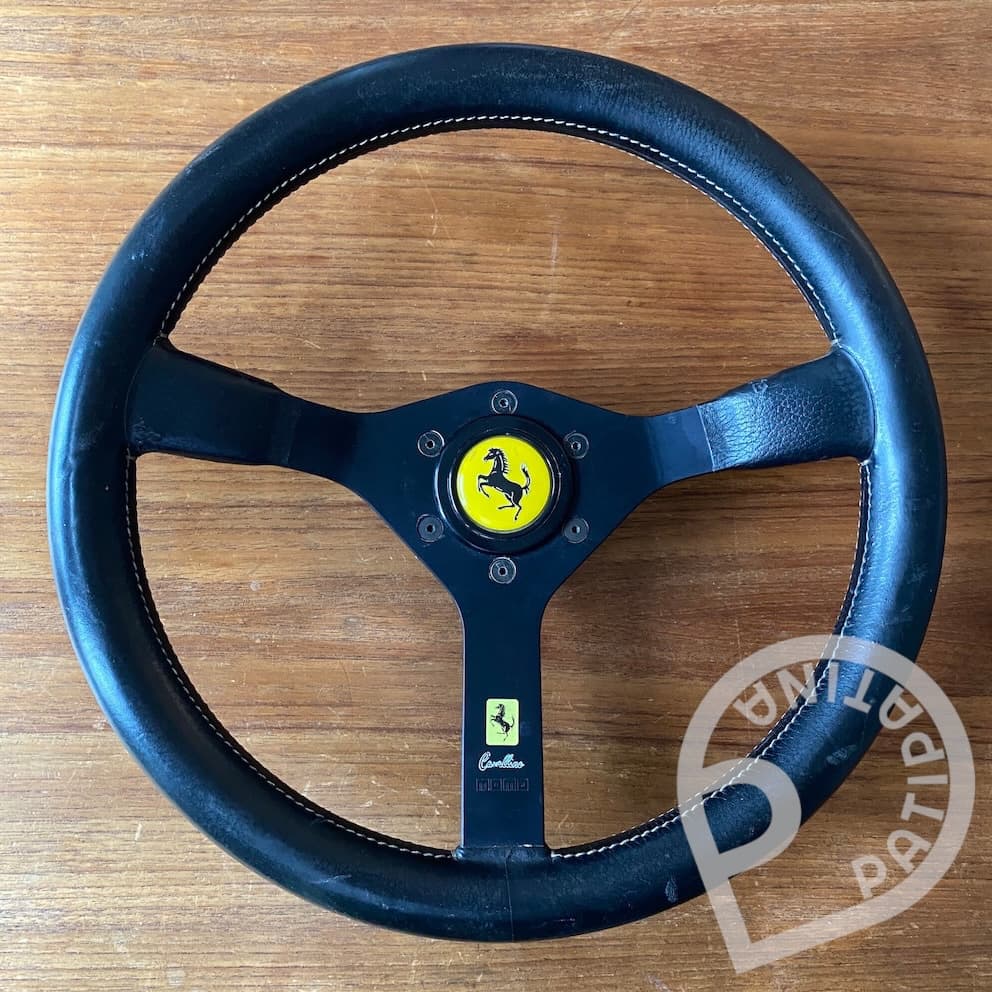
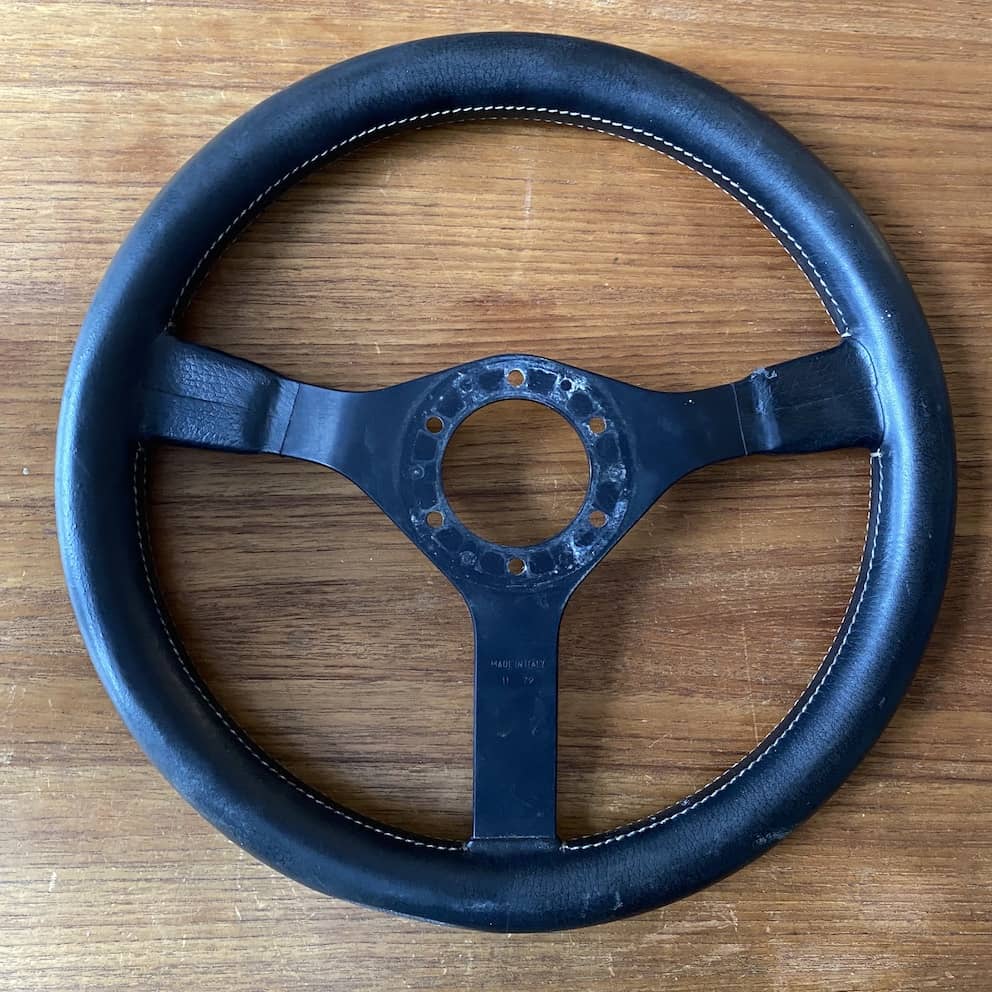
The Cavallino series
Another important chapter: the Momo Cavallino line. Built in the late 1970s to early 1980s, it came in multiple variants. But Cavallino I is the one directly tied to Ferrari heritage.
- diameters: 350mm / 380mm
- grip: thicker than standard Momo wheels (~32mm)
- inspiration: Ferrari F1 steering wheels (312T era)
This wasn’t just a steering wheel.
It was an interpretation of Ferrari’s racing identity translated into road cars.
And that’s why it still shows up in restorations today.
Some links may be affiliate links. I may earn a small commission at no extra cost to you.
Why this relationship matters
Momo didn’t just supply Ferrari.
It helped define how Ferrari steering wheels feel.
Thick grips.
Direct feedback.
Mechanical honesty.
A design language that came from racing — not design studios.
And that’s why even today, these wheels don’t feel like accessories.
They feel like part of the car’s original intent.
Final Thought
Some brands collaborate.
Others merge identities without ever calling it that.
Momo and Ferrari belong to the second category.
And once that connection was made, it never really left the steering wheel.