How to Do a Compression Test on a Vintage Engine
A simple test that tells you more about your engine than a test drive ever will
by Mads – February 24, 2023
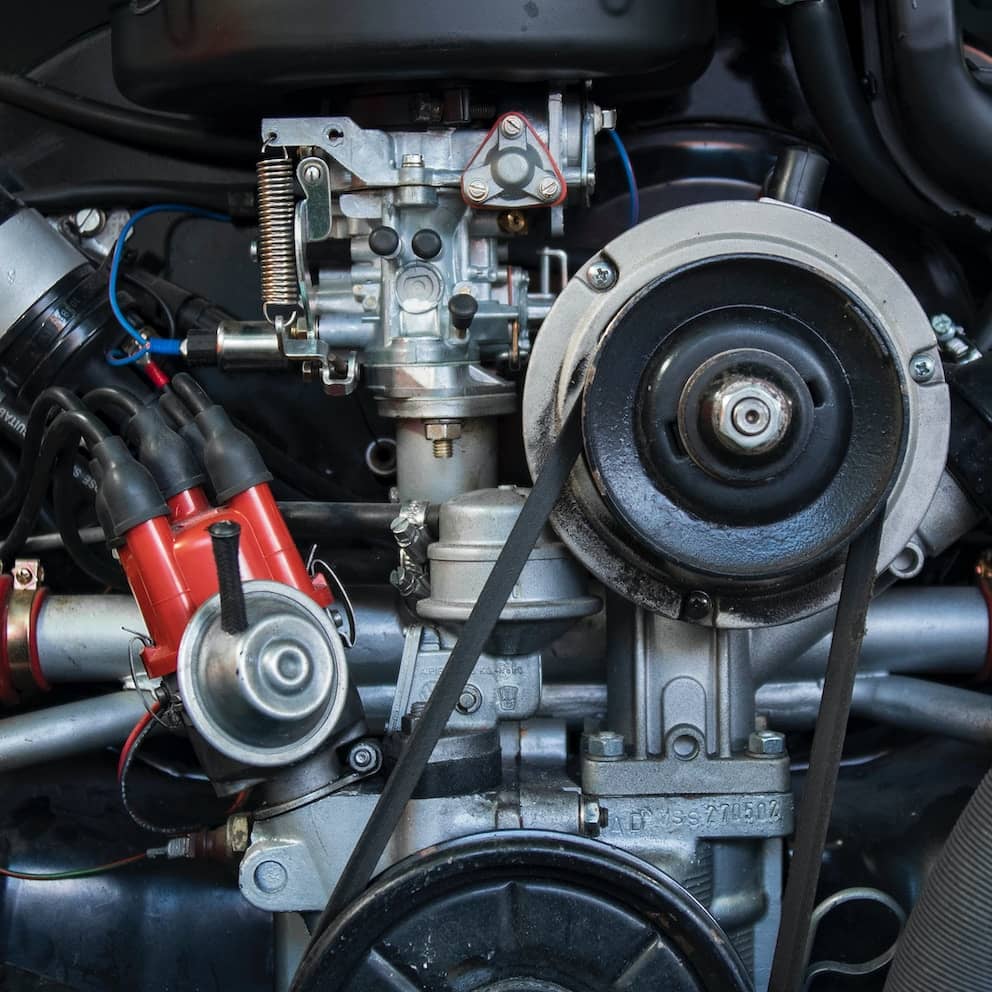
Why a compression test matters more than you think
When you’re looking at a vintage car, you don’t just buy paint, chrome, or nostalgia.
You buy an engine. And the engine tells you the truth.
A compression test is one of the simplest ways to understand what’s going on inside a classic engine without opening it up. It helps you identify wear, imbalance between cylinders, and potential mechanical issues before they turn into expensive surprises.
It’s not about paranoia. It’s about clarity.
Some links may be affiliate links. I may earn a small commission at no extra cost to you.
What a compression test actually reveals
Most vintage engines have multiple cylinders – and that’s your advantage.
Because you’re not just looking at a single number. You’re comparing.
If one cylinder is significantly weaker than the others, something is off. It could be:
- worn piston rings
- leaking valves
- cylinder wall wear
- head gasket issues
And the important part: you often won’t feel this on a short test drive.
The engine can still run. Just not properly.
Why this matters when buying a classic car
A compression test gives you three things:
1. Engine health snapshot
You get a direct look into internal condition without disassembly.
2. Negotiation power
If values are low or uneven, you suddenly have real data – not assumptions.
3. Peace of mind
If everything is even and within range, you know what you’re buying.
That alone is worth the 10–15 minutes it takes.
What you need
You don’t need a workshop. Just a simple tool:
OTC Compression Test Kit for Gasoline Engines
A basic compression tester with a gauge is enough for most classic engines. Some setups require different hose lengths depending on engine layout.
How to perform a compression test (step-by-step)
Step 1: Warm or cool engine condition
Let the engine cool down before testing. Consistency matters more than temperature tricks.
Step 2: Remove all spark plugs
Take out all spark plugs so the engine can crank evenly.
Step 3: Install the tester
Thread the compression gauge into the first cylinder. Make sure it seals properly.
Step 4: Open the throttle fully
Keep the throttle wide open while cranking. This ensures maximum airflow into the engine.
Step 5: Crank the engine
Use the starter motor for a few seconds until the gauge stabilizes.
Step 6: Record the value
Write down each cylinder reading immediately. Don’t rely on memory.
Step 7: Repeat for all cylinders
Consistency is key. Same method, same duration, same conditions.
Step 8: Compare results
You’re not just looking for “good or bad” – you’re looking for balance.
Even compression across cylinders is usually more important than absolute numbers.
Step 9: Reassemble
Reinstall spark plugs and return everything to its original state.
What “bad results” actually mean
Low compression doesn’t automatically mean a dead engine. It means you need context.
- one weak cylinder → localized issue
- all cylinders low → general wear or engine age
- uneven spread → internal inconsistency
This is where experience and honesty about the car matter.
Why this test is underrated
A compression test is one of those rare tools that gives you disproportionate insight for almost no cost.
It won’t tell you everything.
But it will tell you enough to avoid very expensive mistakes.
And in the world of vintage cars, that’s usually all you need.
Final Thought
Classic engines don’t lie loudly.
They whisper.
A compression test is simply how you learn to listen.