The Adventurous Legacy of Pininfarina
Design language, motorsport history and a quiet collaboration with Momo
by Mads – Last updated March 2026
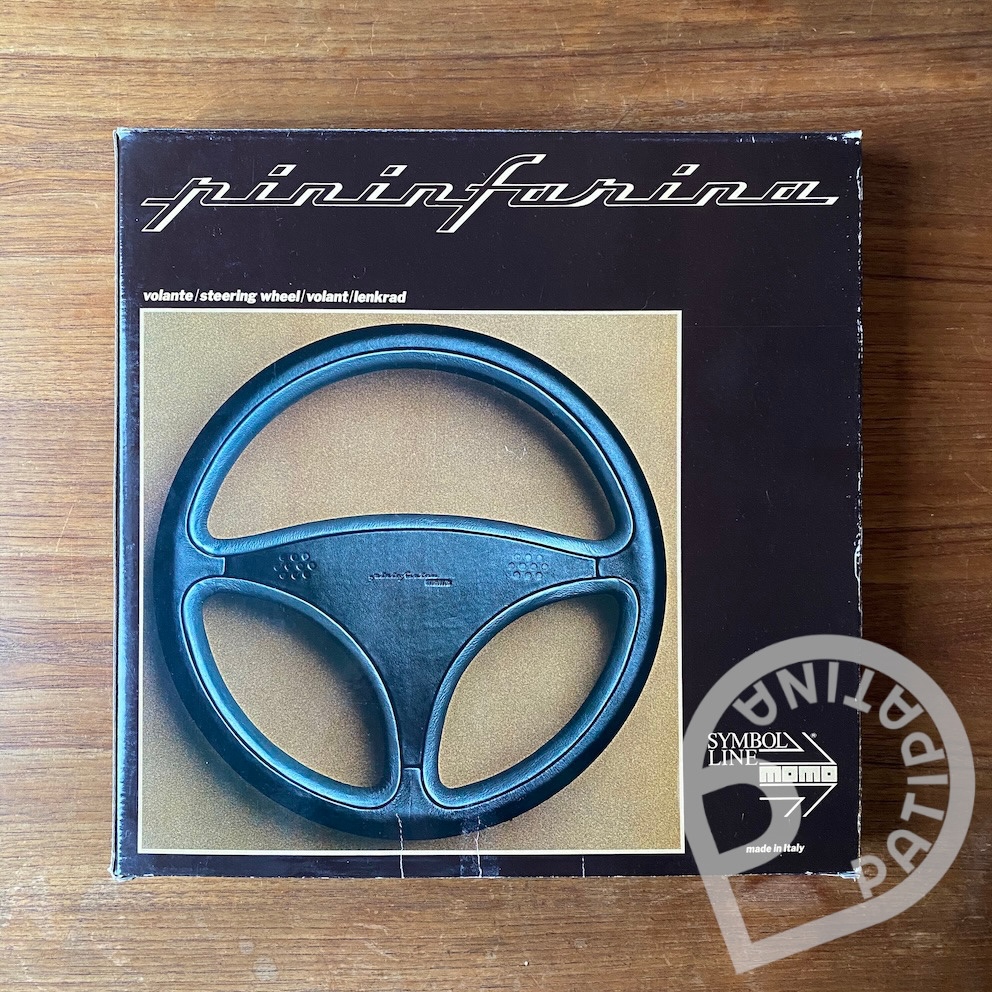
Not just a design studio
Pininfarina is not simply a name in automotive design.
It is one of those rare companies that helped define what cars look like — across decades, brands, and categories.
Founded in 1930 by Battista “Pinin” Farina, the company evolved into a reference point for automotive aesthetics, especially in the performance and luxury segment.
But its influence goes beyond styling.
It extends into motorsport, engineering collaboration, and even interior components — including steering wheels.
The known versions
Pininfarina’s portfolio includes some of the most recognizable cars in automotive history:
- Ferrari Testarossa
- Alfa Romeo Spider
- Lancia Delta Integrale
- multiple Ferrari GT and race derivatives
What connects them is not technical similarity — but visual coherence.
Clean proportions.
Balanced tension.
And a sense of motion, even when standing still.
Motorsport involvement
While often associated with road cars, Pininfarina also played a role in motorsport development.
The company contributed to aerodynamic concepts and race-focused designs for brands such as Ferrari and Alfa Romeo.
Notably, several endurance and rally cars carrying Pininfarina design elements went on to achieve success in:
- 24 Hours of Le Mans
- Mille Miglia
- various GT and rally championships
The design language was never purely aesthetic — it was functional under racing conditions.


Some links may be affiliate links. I may earn a small commission at no extra cost to you.
Some links may be affiliate links. I may earn a small commission at no extra cost to you.
Porsche collaboration
One of the more technically interesting collaborations includes work connected to Porsche.
In 1974, the Porsche 911 Carrera RSR Turbo 2.1 was introduced with a radically different body concept optimized for aerodynamics.
Pininfarina’s influence in this era reflects a broader shift in automotive design:
from pure styling toward performance-driven shaping.
The connection to Momo
Pininfarina’s collaboration with Momo is less about co-branded products and more about integration.
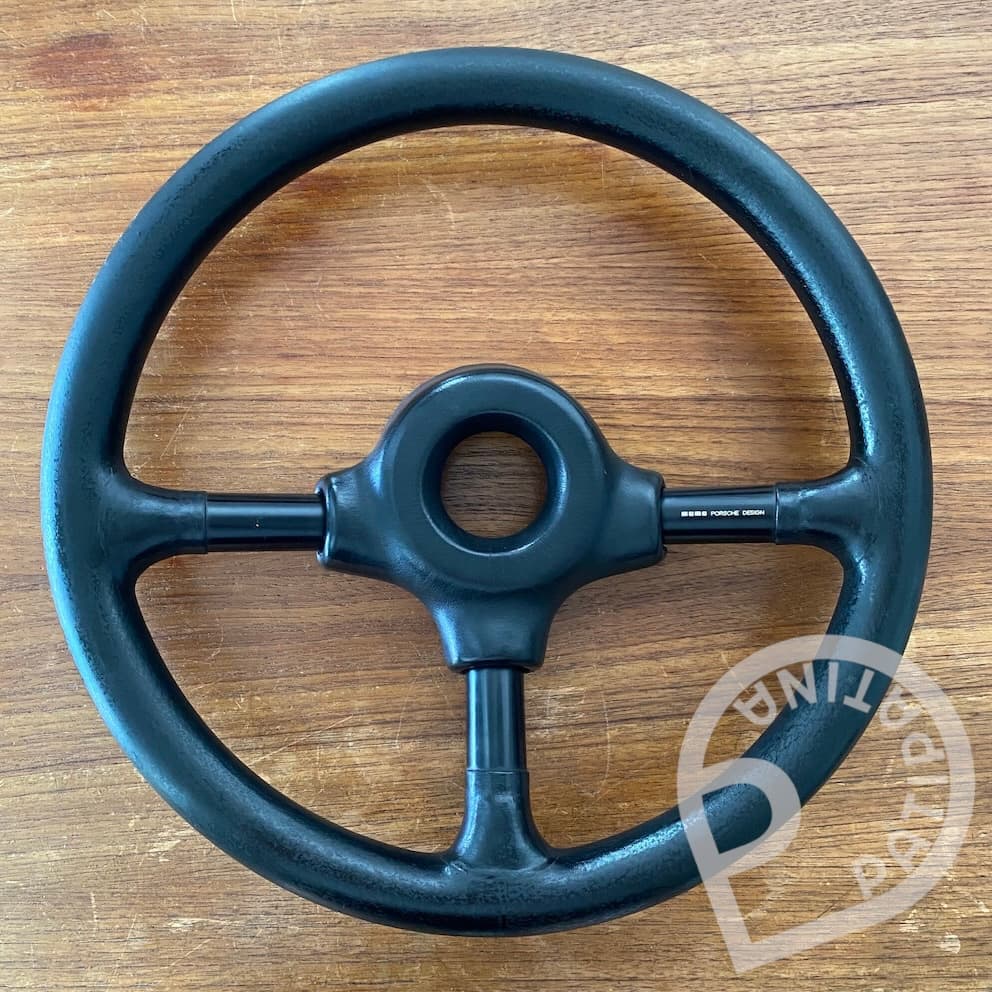
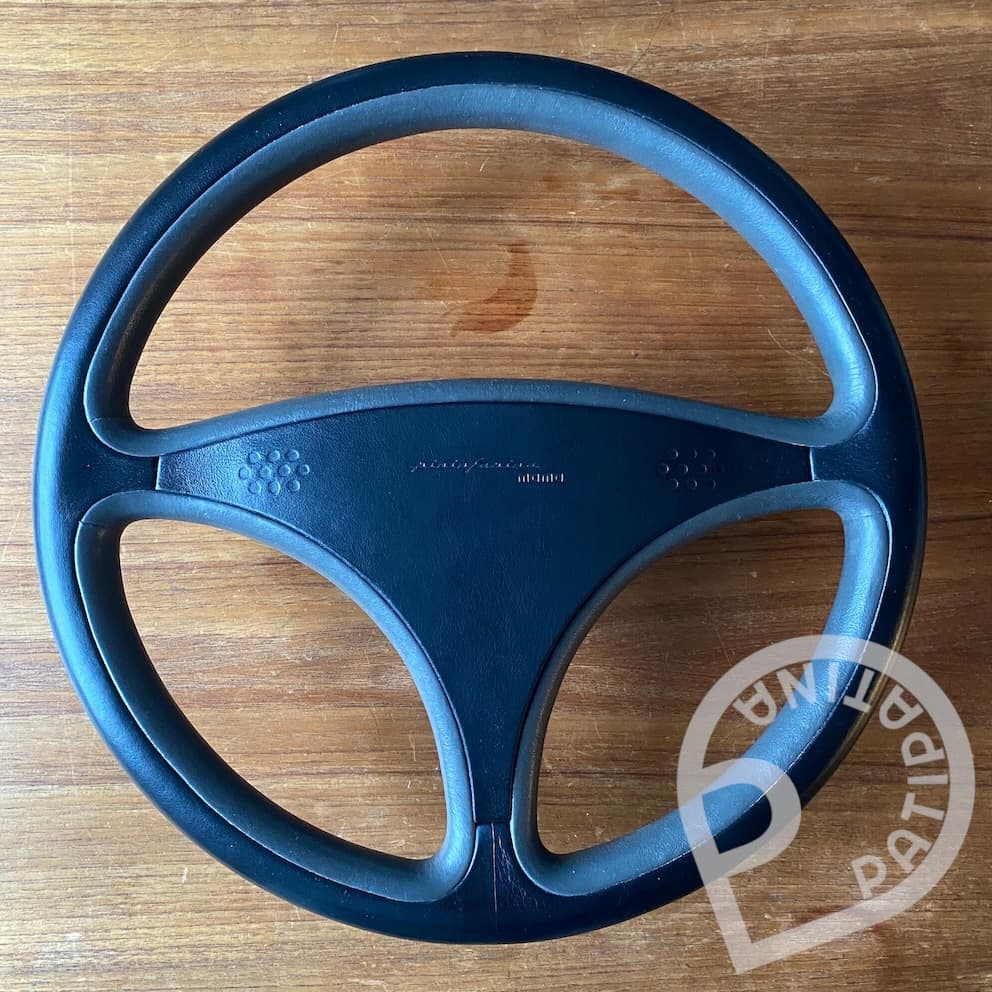
Many Pininfarina-designed vehicles were equipped with Momo steering wheels as standard or optional components.
This includes Ferrari models where interior ergonomics and driver interface design were increasingly influenced by motorsport requirements.
One notable example is the Ferrari F40 era, where Momo steering wheels became a consistent part of the driving environment.
Beyond cars: design expansion
The collaboration between Pininfarina and Momo also extended into non-automotive design.
One example is the Momo Edition Pininfarina Cambiano pen, a writing instrument inspired by automotive materials and proportions.
It reflects a broader philosophy shared by both companies:
design is not limited to function — it is a continuous language.
Why this matters in context
Pininfarina is relevant here not only as a design house, but as part of a larger ecosystem:
- OEM collaborations
- motorsport development
- steering wheel integration
- interior design evolution
Understanding Momo without understanding Pininfarina means missing part of the design DNA behind many classic steering wheels.
Final Thought
Pininfarina did not just design cars.
It shaped how performance was visually expressed.
And through long-standing collaborations with companies like Momo, that design language extended directly into the driver’s hands.
Sometimes, the steering wheel is not the starting point.
It is the result of a much larger design conversation.